
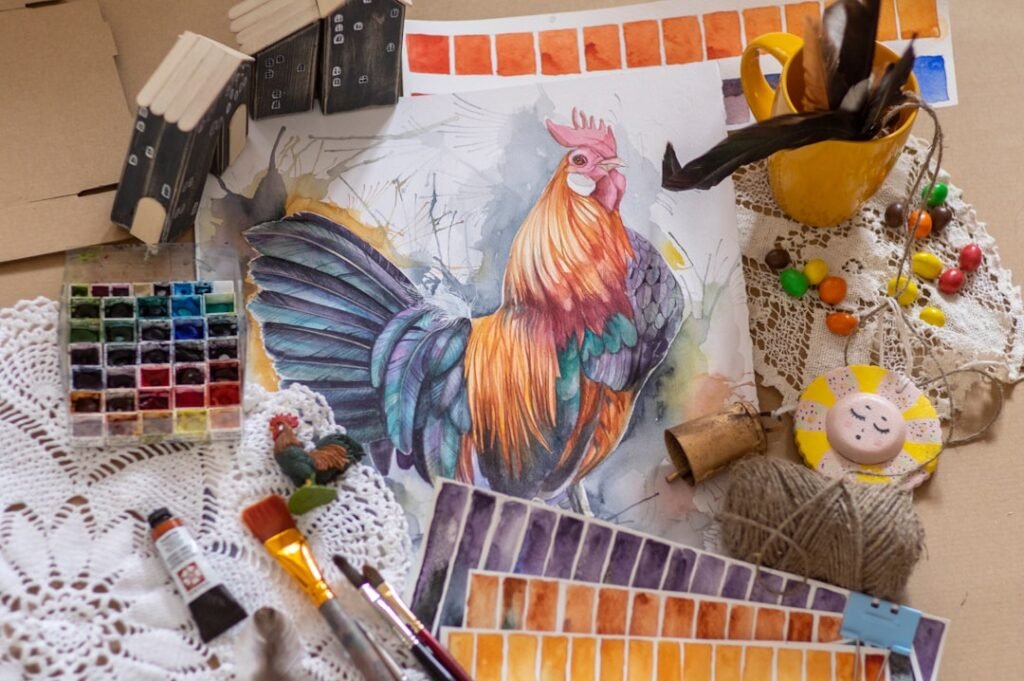
Hobbies play a crucial role in enhancing the quality of life for individuals across various demographics. They serve as a vital outlet for creativity, relaxation, and personal growth. Engaging in hobbies allows individuals to step away from the daily grind of work and responsibilities, providing a much-needed respite that can rejuvenate the mind and spirit.
This time spent on personal interests not only fosters a sense of fulfillment but also contributes to overall mental well-being. In a world that often prioritizes productivity and efficiency, hobbies remind individuals of the importance of leisure and self-care. Moreover, hobbies can significantly enhance one’s social life.
They often provide opportunities to meet new people and forge connections based on shared interests. Whether it’s joining a local book club, participating in a community sports team, or attending art classes, hobbies can create a sense of belonging and community. This social aspect is particularly important in today’s fast-paced society, where many individuals may feel isolated or disconnected.
By engaging in hobbies, people can cultivate friendships and support networks that enrich their lives.
Key Takeaways
- Hobbies play a crucial role in personal growth and well-being.
- Exploring various hobbies helps identify what truly interests you.
- Overcoming common barriers can make trying new hobbies easier.
- Integrating hobbies into daily life enhances consistency and enjoyment.
- Sharing hobbies with others fosters community and deepens passion.
Exploring Different Types of Hobbies
The world of hobbies is vast and varied, encompassing a wide range of activities that cater to different interests and personalities. From artistic pursuits like painting and photography to physical activities such as hiking and dancing, there is something for everyone. Crafting hobbies, including knitting, woodworking, or pottery, allow individuals to express their creativity while also producing tangible results.
On the other hand, intellectual hobbies like reading, writing, or learning a new language stimulate the mind and encourage lifelong learning. Additionally, hobbies can be categorized into indoor and outdoor activities. Indoor hobbies, such as cooking or playing musical instruments, provide a cozy environment for individuals to explore their passions without the constraints of weather or time.
Conversely, outdoor hobbies like gardening, birdwatching, or cycling offer the benefits of fresh air and physical activity. Each type of hobby presents unique advantages and challenges, allowing individuals to choose what resonates most with their interests and lifestyle.
Tips for Finding the Right Hobby for You
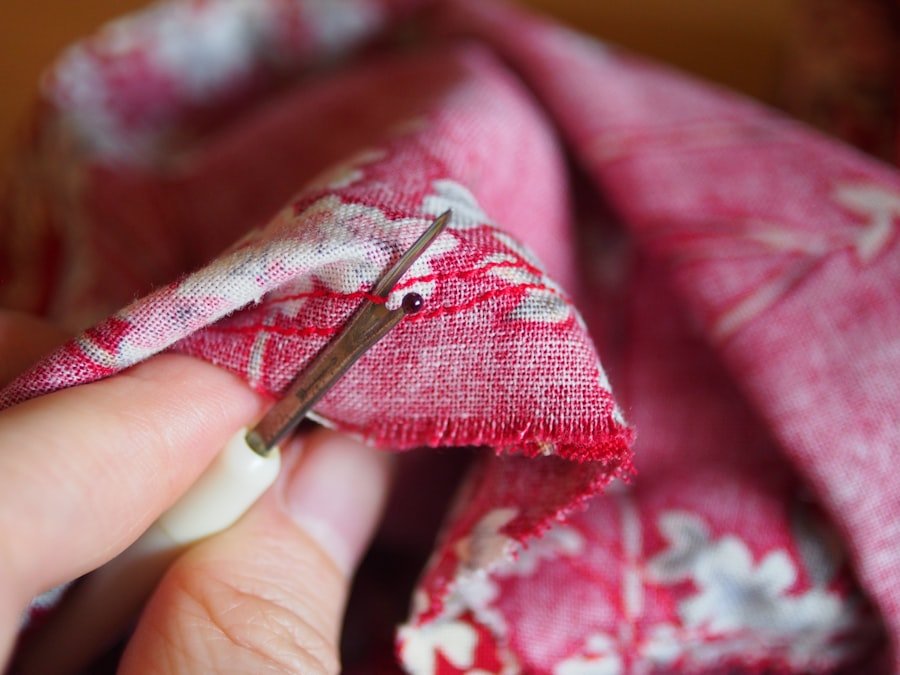
Finding the right hobby can sometimes feel overwhelming, especially with so many options available. A good starting point is to reflect on personal interests and passions. Individuals should consider what activities they enjoyed in childhood or what topics they find themselves drawn to in their free time.
This self-reflection can provide valuable insights into potential hobbies that may bring joy and satisfaction. Another effective approach is to experiment with different activities before committing to one. Many community centers and local organizations offer classes or workshops that allow individuals to try out various hobbies without a long-term commitment.
This trial-and-error method not only helps in discovering new interests but also provides an opportunity to meet like-minded individuals who may share similar passions. Keeping an open mind during this exploration phase is essential; sometimes, the most fulfilling hobbies are those that one might not have initially considered.
Overcoming Barriers to Trying New Hobbies
Despite the numerous benefits of engaging in hobbies, many individuals face barriers that prevent them from trying new activities. Time constraints are often cited as a significant obstacle; busy schedules filled with work and family responsibilities can leave little room for personal pursuits. However, it is essential to recognize that making time for hobbies is an investment in one’s well-being.
Individuals can start by carving out small pockets of time throughout the week dedicated solely to their chosen hobby. Another common barrier is the fear of failure or inadequacy. Many people hesitate to try new activities because they worry about not being good enough or feeling embarrassed in front of others.
It is important to remember that hobbies are meant to be enjoyable and fulfilling rather than competitive. Embracing a mindset of curiosity and playfulness can help alleviate these fears. By focusing on the process rather than the outcome, individuals can cultivate a more positive experience as they explore new interests.
How to Incorporate Your New Hobby into Your Routine
| Hobby | Average Weekly Time Spent (hours) | Popularity (%) | Common Age Group | Benefits |
|---|---|---|---|---|
| Reading | 5 | 65 | 18-45 | Improves knowledge, reduces stress |
| Gardening | 4 | 40 | 30-60 | Physical activity, mental relaxation |
| Cooking | 6 | 55 | 20-50 | Creativity, healthier eating |
| Playing Musical Instruments | 3 | 25 | 10-35 | Enhances coordination, cognitive skills |
| Sports (e.g., Soccer, Tennis) | 7 | 50 | 15-40 | Physical fitness, teamwork |
| Painting/Drawing | 3 | 30 | 15-45 | Creativity, stress relief |
| Photography | 2 | 20 | 18-40 | Creativity, mindfulness |
Once an individual has discovered a hobby that resonates with them, the next step is to incorporate it into their daily routine. Establishing a consistent schedule can help ensure that the hobby becomes a regular part of life rather than a fleeting interest. Setting aside specific times each week dedicated to the hobby can create a sense of commitment and anticipation.
For instance, someone who enjoys painting might reserve Sunday afternoons for creative expression, while another person might choose to practice guitar every Tuesday evening. Additionally, integrating hobbies into existing routines can make it easier to maintain consistency. For example, someone who enjoys reading could listen to audiobooks during their commute or while exercising.
Finding ways to blend hobbies with daily activities not only maximizes time but also enhances enjoyment by creating a more holistic approach to personal interests.
Connecting with Others who Share Your Hobby
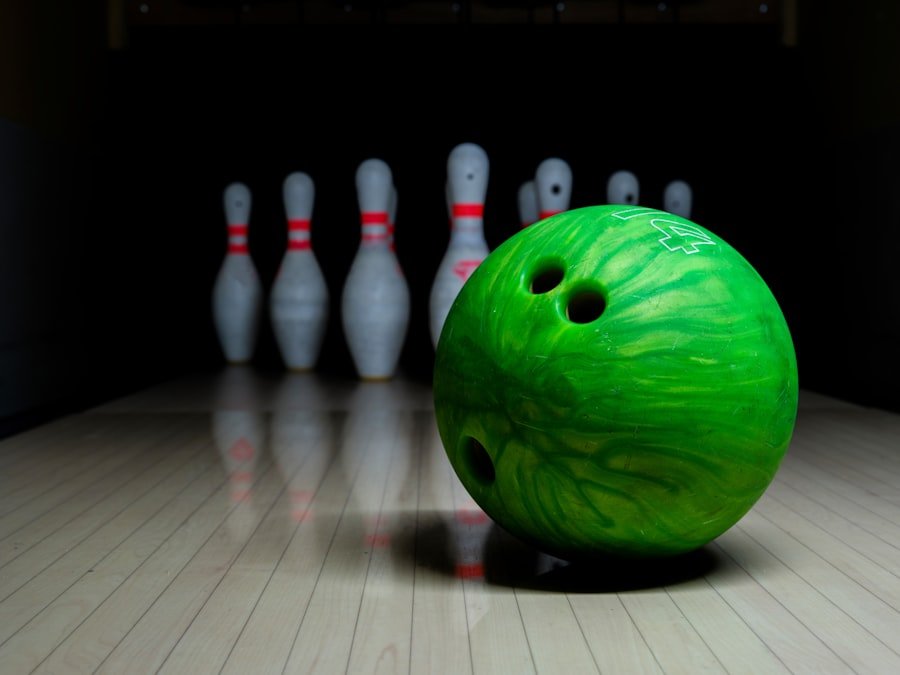
One of the most rewarding aspects of pursuing a hobby is the opportunity to connect with others who share similar interests. Engaging with a community can provide motivation, support, and inspiration as individuals navigate their hobbies together. Many cities have clubs or organizations dedicated to specific activities, offering a platform for enthusiasts to gather regularly.
Online forums and social media groups also serve as excellent resources for connecting with others who share similar passions.
For instance, joining a local running club can provide accountability and encouragement while also fostering friendships among members.
Additionally, attending workshops or events related to a hobby can expose individuals to new techniques and ideas while expanding their social circle. These connections often lead to lasting friendships and shared experiences that enrich one’s life beyond the hobby itself.
The Benefits of Pursuing a Passion
Engaging in hobbies offers numerous benefits that extend far beyond mere enjoyment. One significant advantage is the enhancement of mental health; hobbies provide an outlet for stress relief and relaxation, allowing individuals to unwind from daily pressures. Research has shown that participating in enjoyable activities can lead to reduced anxiety and improved mood, contributing to overall emotional well-being.
Furthermore, pursuing a passion can foster personal growth and development. Hobbies often challenge individuals to step outside their comfort zones, whether it’s learning a new skill or tackling complex projects. This process of growth not only builds confidence but also encourages resilience as individuals navigate challenges associated with their chosen activities.
Ultimately, these experiences contribute to a more fulfilling life as individuals discover new strengths and capabilities within themselves.
Embracing the Journey of Self-Discovery through Hobbies
The journey of exploring hobbies is inherently tied to self-discovery. As individuals engage in various activities, they often uncover hidden talents and interests that may have remained dormant for years. This exploration allows for greater self-awareness and understanding of personal preferences and values.
Through hobbies, individuals can gain insights into what truly brings them joy and fulfillment. Moreover, the process of pursuing hobbies encourages reflection on one’s identity and aspirations. As individuals invest time in activities they are passionate about, they may find themselves reevaluating their goals and priorities in life.
This journey of self-discovery can lead to profound changes in perspective, ultimately guiding individuals toward more authentic lives aligned with their true selves. Embracing this journey not only enriches personal experiences but also fosters a deeper connection with oneself and the world around them. In conclusion, hobbies are an essential aspect of life that contribute significantly to personal well-being and fulfillment.
By understanding their importance, exploring various types, overcoming barriers, and connecting with others, individuals can embark on a rewarding journey filled with self-discovery and passion. The benefits of pursuing hobbies extend far beyond mere enjoyment; they enhance mental health, foster personal growth, and create lasting connections with others who share similar interests. Ultimately, embracing hobbies allows individuals to lead richer, more meaningful lives as they explore their passions and uncover new facets of themselves along the way.
Engaging in hobbies can significantly enhance your overall well-being and contribute to a healthier lifestyle. For those looking to explore how simple lifestyle changes can improve health, you might find the article on boosting your health particularly insightful. It offers practical tips that can easily be integrated into your daily routine. To read more, check out the article here: Boost Your Health: Simple Tips for a Healthier Lifestyle.