

Positive parenting techniques play a crucial role in shaping a child’s development and overall well-being. These methods emphasize the importance of nurturing, understanding, and guiding children rather than resorting to punitive measures. By adopting a positive approach, parents can foster an environment where children feel safe, valued, and understood.
This foundation not only enhances the parent-child relationship but also promotes healthy emotional and social development. Research has shown that children raised in positive environments are more likely to exhibit higher self-esteem, better academic performance, and improved social skills. Moreover, positive parenting techniques encourage parents to model behaviors they wish to instill in their children.
When parents demonstrate kindness, patience, and empathy, they teach their children to emulate these traits. This modeling is essential as children often learn more from observing their parents than from direct instruction. By prioritizing positive interactions, parents can create a cycle of respect and understanding that benefits both parties.
Ultimately, the importance of positive parenting techniques lies in their ability to cultivate a nurturing atmosphere that supports children’s growth into well-adjusted individuals.
Key Takeaways
- Positive parenting strengthens emotional bonds and promotes healthy child development.
- Clear, consistent boundaries help children understand expectations and feel secure.
- Encouraging independence builds resilience and confidence in children.
- Fostering a growth mindset supports learning and adaptability.
- Effective communication and a nurturing environment balance discipline with love.
Building a Strong Emotional Connection with Your Child
Establishing a strong emotional connection with a child is fundamental to effective parenting. This bond serves as the bedrock for trust and security, allowing children to feel comfortable expressing their thoughts and feelings. Parents can foster this connection through active listening, engaging in meaningful conversations, and showing genuine interest in their child’s experiences.
When children perceive that their parents are emotionally available and responsive, they are more likely to develop a sense of belonging and self-worth. Additionally, shared activities can significantly enhance the emotional bond between parent and child. Whether it’s reading together, playing games, or simply spending time outdoors, these moments create lasting memories and reinforce the connection.
Parents who prioritize quality time with their children not only strengthen their relationship but also provide opportunities for open dialogue about emotions and challenges. This emotional intimacy equips children with the tools they need to navigate their feelings and relationships with others, ultimately leading to healthier interactions throughout their lives.
Setting Clear and Consistent Boundaries

Setting clear and consistent boundaries is an essential aspect of effective parenting. Children thrive in environments where they understand the limits and expectations placed upon them. When parents establish rules and guidelines, they provide a framework within which children can explore and learn.
Consistency in enforcing these boundaries is equally important; it helps children develop a sense of security and predictability in their lives. When they know what is expected of them, they are more likely to feel confident in their choices. Moreover, clear boundaries teach children about responsibility and accountability.
When parents communicate the reasons behind certain rules, they help children understand the importance of making good decisions.
By balancing firmness with compassion, parents can create an environment where boundaries are respected while still allowing for growth and exploration.
Encouraging Independence and Resilience in Your Child
Encouraging independence in children is vital for their development into self-sufficient adults. Parents can promote independence by allowing their children to make choices appropriate for their age, whether it’s selecting their clothes or deciding how to spend their free time. This practice not only empowers children but also helps them develop critical decision-making skills.
As they learn to navigate choices on their own, they gain confidence in their abilities and judgment. Resilience is another key trait that parents should nurture in their children. Life inevitably presents challenges, and teaching children how to cope with setbacks is essential for their emotional health.
Parents can foster resilience by encouraging problem-solving skills and promoting a positive attitude toward failure. When children experience difficulties, supportive parents can guide them through the process of finding solutions rather than immediately stepping in to fix the problem. This approach not only builds resilience but also instills a sense of perseverance that will serve them well throughout their lives.
Fostering a Growth Mindset in Your Child
| Parenting Aspect | Metric | Typical Range/Value | Notes |
|---|---|---|---|
| Average Time Spent with Children | Hours per Day | 2 – 4 | Varies by country and work schedule |
| Recommended Sleep for Children | Hours per Night | 9 – 12 | Depends on age group (e.g., toddlers vs. teens) |
| Screen Time Limit | Hours per Day | 1 – 2 | Recommended for children aged 2-5 years |
| Positive Reinforcement Frequency | Times per Day | 5 – 10 | Encourages good behavior and self-esteem |
| Parenting Stress Level | Scale 1-10 | 4 – 7 | Varies with support and child behavior |
| Recommended Reading Time | Minutes per Day | 20 – 30 | Supports language development and bonding |
| Frequency of Family Meals | Meals per Week | 4 – 7 | Linked to better child nutrition and communication |
Fostering a growth mindset in children is crucial for their long-term success and happiness. A growth mindset is the belief that abilities and intelligence can be developed through dedication and hard work. Parents can encourage this mindset by praising effort rather than innate talent.
For instance, instead of saying “You’re so smart,” they might say “I’m proud of how hard you worked on that project.” This shift in language reinforces the idea that persistence and effort lead to improvement. Additionally, parents can model a growth mindset by sharing their own experiences with challenges and failures. When children see their parents facing obstacles with determination and a willingness to learn from mistakes, they are more likely to adopt similar attitudes.
Encouraging curiosity and a love for learning further supports this mindset; when children feel free to explore new ideas without fear of judgment, they are more likely to embrace challenges as opportunities for growth.
Communicating Effectively with Your Child
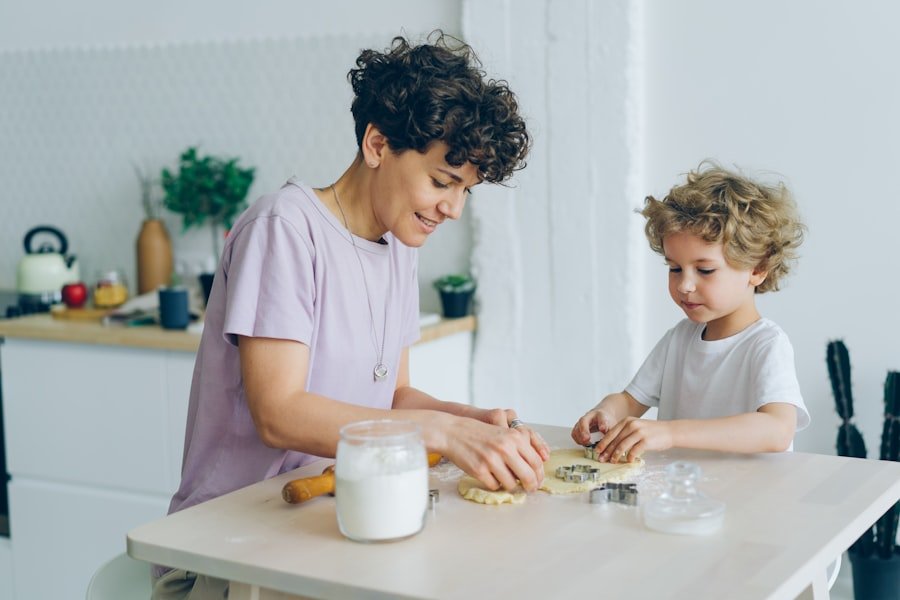
Effective communication is at the heart of successful parenting. It involves not only conveying information but also actively listening to what children have to say. Parents should strive to create an open dialogue where children feel comfortable expressing their thoughts and feelings without fear of judgment or reprimand.
This two-way communication fosters trust and understanding, allowing parents to better support their children’s needs. Moreover, non-verbal communication plays a significant role in how messages are received. Parents should be mindful of their body language, tone of voice, and facial expressions when interacting with their children.
A warm smile or an encouraging nod can reinforce positive messages, while crossed arms or a stern expression may convey disapproval or frustration. By being aware of these cues, parents can enhance their communication skills and create a more supportive environment for their children.
Creating a Nurturing and Supportive Environment at Home
A nurturing and supportive home environment is essential for children’s emotional and psychological well-being. Parents can create such an atmosphere by prioritizing warmth, safety, and acceptance within the household. This involves not only providing physical needs but also fostering emotional security through love and encouragement.
When children feel safe at home, they are more likely to explore the world around them with confidence. In addition to emotional support, creating routines can contribute significantly to a nurturing environment. Consistent daily schedules provide structure that helps children feel secure and understand what to expect from day to day.
Whether it’s mealtime rituals or bedtime routines, these practices reinforce family bonds while promoting stability in children’s lives. A nurturing home environment ultimately lays the groundwork for healthy relationships and personal development.
Balancing Discipline and Love in Parenting
Balancing discipline with love is one of the most challenging yet rewarding aspects of parenting. Effective discipline is not about punishment; rather, it involves teaching children about consequences while maintaining a loving relationship. Parents should aim to guide their children’s behavior through constructive feedback rather than harsh criticism or punitive measures.
This approach helps children understand the impact of their actions while still feeling valued and loved. Moreover, showing love during disciplinary moments is crucial for maintaining trust between parent and child. When parents discipline with empathy—explaining why certain behaviors are unacceptable while reassuring their love—children are more likely to internalize the lessons being taught.
This balance between discipline and affection fosters an environment where children feel secure enough to learn from their mistakes without fear of losing parental love or support. Ultimately, this harmonious approach equips children with the tools they need to navigate life’s challenges while feeling cherished and understood. In conclusion, effective parenting encompasses various techniques that prioritize emotional connection, clear boundaries, independence, resilience, growth mindset, effective communication, nurturing environments, and balanced discipline.
By embracing these principles, parents can cultivate strong relationships with their children while equipping them with essential life skills for future success. The journey of parenting may be fraught with challenges, but the rewards of raising confident, resilient individuals make it all worthwhile.
One important aspect of this is nutrition, which plays a crucial role in the overall health of both parents and children. For insights on how nutrition impacts health, you can read more in the article on the importance of nutrition for overall health. This resource provides valuable information that can help parents make informed dietary choices for their families.