
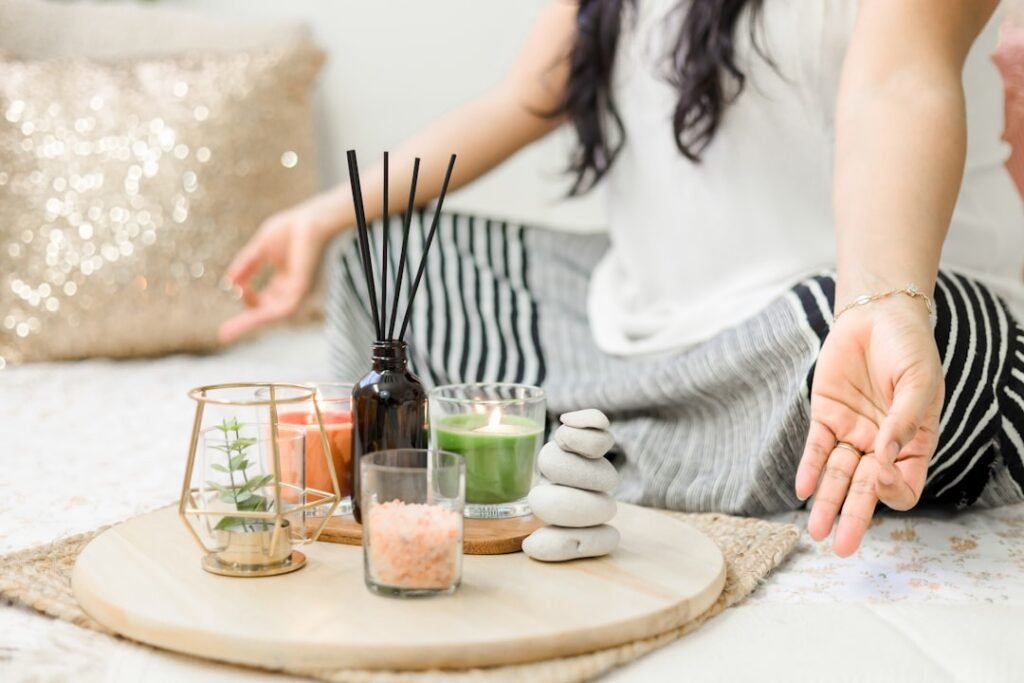
Inner peace is a state of mental and emotional tranquility that allows individuals to navigate the complexities of life with grace and resilience.
This serenity is not merely the absence of stress or anxiety; rather, it is a deep-seated contentment that arises from within.
Achieving inner peace requires a conscious effort to cultivate a mindset that prioritizes self-awareness, acceptance, and mindfulness. It involves recognizing and letting go of negative thought patterns and emotional turmoil that can cloud one’s judgment and hinder personal growth. The journey toward inner peace is unique for each individual, shaped by personal experiences, beliefs, and values.
Many find that it is a continuous process rather than a destination. As one delves deeper into self-exploration, they may discover that inner peace is closely linked to the ability to forgive oneself and others, to embrace vulnerability, and to foster compassion. This understanding can lead to healthier relationships, improved mental health, and a more fulfilling life overall.
By nurturing inner peace, individuals can create a solid foundation from which they can face life’s challenges with a renewed sense of purpose and clarity.
Key Takeaways
- Inner peace is a state of mental calmness and emotional stability.
- Meditation offers benefits like reduced stress, improved focus, and emotional balance.
- Starting meditation involves simple steps such as setting aside time and finding a quiet space.
- Various techniques exist, including mindfulness, guided, and transcendental meditation.
- Consistency and adapting practices help overcome challenges and integrate meditation into daily life.
The Benefits of Meditation
Meditation offers a myriad of benefits that extend far beyond the confines of a quiet room or a designated time for practice. Research has shown that regular meditation can significantly reduce stress levels, enhance emotional well-being, and improve overall mental health. By focusing the mind and cultivating awareness, individuals can develop a greater understanding of their thoughts and feelings, leading to improved emotional regulation.
This heightened awareness allows for more thoughtful responses to life’s challenges rather than reactive behaviors driven by stress or anxiety. Moreover, meditation has been linked to physical health benefits as well. Studies indicate that consistent practice can lower blood pressure, improve sleep quality, and even boost the immune system.
The relaxation response triggered during meditation helps to counteract the body’s stress response, promoting a state of calm that can have lasting effects on physical health. Additionally, many practitioners report increased creativity and enhanced concentration as a result of their meditation practice. This combination of mental clarity and emotional stability can lead to improved performance in both personal and professional endeavors.
How to Start Meditating
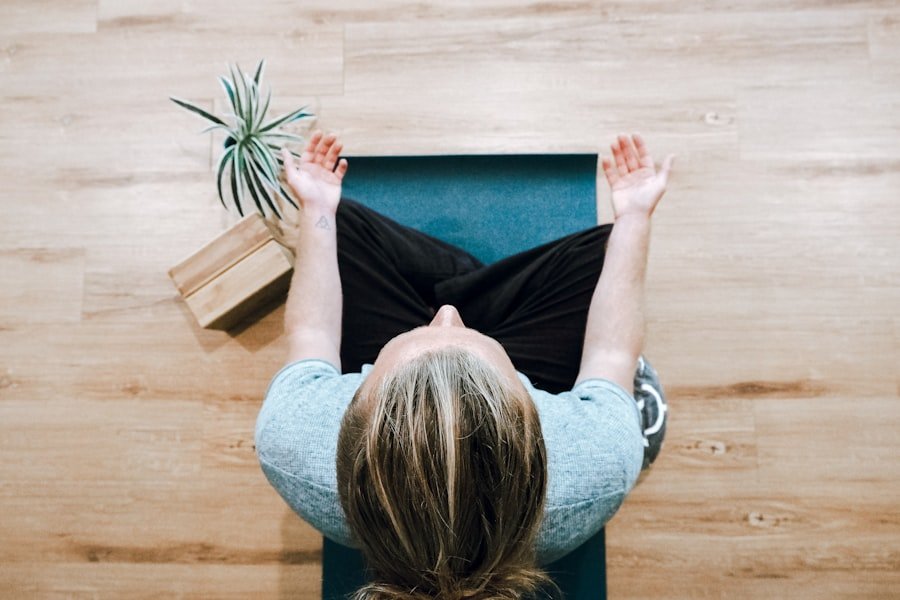
Starting a meditation practice may seem daunting at first, but it can be as simple as finding a quiet space and dedicating just a few minutes each day to the practice. For beginners, it is essential to approach meditation with an open mind and without the pressure of achieving perfection. One effective way to begin is by setting aside five to ten minutes each day to sit comfortably in a quiet environment.
Closing the eyes and focusing on the breath can help anchor the mind and create a sense of presence. As individuals become more comfortable with the practice, they may choose to explore different techniques or extend their meditation sessions. It is important to remember that there is no right or wrong way to meditate; what matters most is finding a method that resonates personally.
Keeping a journal to track thoughts and feelings before and after meditation can also be beneficial in recognizing progress and understanding how meditation impacts daily life. With patience and consistency, meditation can evolve into a rewarding habit that fosters inner peace.
Different Meditation Techniques
There are numerous meditation techniques available, each offering unique approaches to cultivating mindfulness and inner peace. Mindfulness meditation, for instance, encourages practitioners to focus on the present moment by observing thoughts, sensations, and emotions without judgment. This technique helps individuals develop greater awareness of their mental processes and fosters acceptance of their experiences.
Another popular technique is loving-kindness meditation, which involves silently repeating phrases that express goodwill and compassion toward oneself and others. This practice can enhance feelings of connection and empathy while reducing negative emotions such as anger or resentment. Guided meditations are also widely used, where practitioners listen to recordings led by experienced instructors who provide direction throughout the session.
These guided sessions can be particularly helpful for beginners who may find it challenging to meditate independently.
Overcoming Obstacles in Meditation
| Metric | Description | Typical Range / Value | Unit |
|---|---|---|---|
| Average Session Duration | Length of a typical meditation session | 10 – 30 | minutes |
| Frequency | Number of meditation sessions per week | 3 – 7 | sessions/week |
| Heart Rate Reduction | Average decrease in heart rate during meditation | 5 – 15 | beats per minute |
| Stress Reduction | Reported decrease in perceived stress after regular meditation | 20% – 40% | percentage |
| Increase in Focus | Improvement in attention span after meditation practice | 10% – 25% | percentage |
| Mindfulness Score Improvement | Increase in mindfulness questionnaire scores after 8 weeks | 15 – 30 | points |
| Reduction in Anxiety | Decrease in anxiety levels measured by standardized scales | 10% – 35% | percentage |
Despite its many benefits, individuals often encounter obstacles when trying to establish a consistent meditation practice. Common challenges include restlessness, difficulty concentrating, or feelings of frustration when thoughts wander during meditation. It is essential for practitioners to recognize that these experiences are normal and part of the journey.
Instead of viewing distractions as failures, they can be seen as opportunities for growth and self-discovery. To overcome these obstacles, individuals may benefit from setting realistic expectations for their practice. Rather than striving for an empty mind or perfect stillness, they can focus on simply being present with whatever arises during meditation.
Incorporating shorter sessions or varying techniques can also help maintain interest and motivation. Ultimately, embracing the imperfections of meditation can lead to deeper insights and a more profound sense of inner peace.
Incorporating Meditation into Daily Life
Integrating meditation into daily life does not require hours of spare time or an elaborate setup; rather, it can be seamlessly woven into existing routines. Practitioners can start by designating specific times for meditation each day, such as in the morning upon waking or in the evening before bed. Additionally, mindfulness can be practiced throughout the day by bringing awareness to everyday activities such as eating, walking, or even washing dishes.
Creating reminders or cues in daily life can also facilitate mindfulness practice. For example, taking a few deep breaths before entering a meeting or pausing to appreciate nature during a walk can serve as moments of meditation in action.
Finding a Meditation Practice that Works for You
With an array of meditation techniques available, finding the right practice can be an exploration in itself. Individuals are encouraged to experiment with different styles until they discover what resonates most deeply with them. Some may find solace in silent meditation, while others may prefer guided sessions or movement-based practices like yoga or tai chi.
It is also beneficial to consider personal preferences when selecting a meditation practice. Factors such as time availability, comfort level with silence, and individual goals can all influence the choice of technique. Joining local meditation groups or online communities can provide support and inspiration as individuals navigate their journey toward finding a practice that feels authentic and fulfilling.
Cultivating Inner Peace through Meditation
Ultimately, the goal of meditation is to cultivate inner peace—a state that allows individuals to navigate life’s ups and downs with equanimity. As practitioners deepen their understanding of themselves through regular meditation, they often find that their capacity for compassion, gratitude, and acceptance expands. This transformation not only enhances personal well-being but also positively impacts relationships with others.
By committing to a consistent meditation practice, individuals can create a sanctuary within themselves—a place where they can retreat during times of stress or uncertainty. This inner refuge becomes a source of strength and resilience that empowers them to face challenges with clarity and confidence. Through the ongoing journey of meditation, one can cultivate lasting inner peace that enriches every aspect of life, fostering harmony both within oneself and in interactions with the world at large.
Meditation is a powerful practice that can significantly enhance your overall well-being. For those looking to improve their health through simple lifestyle changes, you might find the article on boosting your health particularly insightful. It offers practical tips that complement the benefits of meditation, helping you create a more balanced and healthy life. You can read more about it in this article: Boost Your Health: Simple Tips for a Healthier Lifestyle.