
In today’s fast-paced world, stress has become an almost ubiquitous part of life. The demands of work, family, and social obligations can often feel overwhelming, leading many individuals to seek effective methods for managing their stress levels. Among the various techniques available, yoga has emerged as a powerful tool for promoting relaxation and mental clarity.
This ancient practice, which combines physical postures, breathing exercises, and meditation, offers a holistic approach to stress relief that addresses both the body and mind. By engaging in yoga, individuals can cultivate a sense of inner peace and resilience, enabling them to navigate life’s challenges with greater ease. Yoga’s appeal lies not only in its physical benefits but also in its ability to foster mindfulness and self-awareness.
As practitioners move through various poses, they are encouraged to focus on their breath and the sensations within their bodies. This mindful engagement helps to quiet the mind and reduce the incessant chatter that often accompanies stress. Furthermore, the rhythmic nature of yoga can create a meditative state, allowing individuals to disconnect from their worries and reconnect with themselves.
In this article, the benefits of yoga for stress relief will be explored, along with specific poses that can be easily incorporated into a daily routine.
Key Takeaways
- Yoga is an effective practice for reducing stress and promoting relaxation.
- Key benefits of yoga for stress relief include improved mood, reduced anxiety, and enhanced mindfulness.
- Poses like Child’s Pose and Cat-Cow help release tension and calm the mind.
- Restorative poses such as Corpse Pose and Legs-Up-the-Wall promote deep relaxation and stress recovery.
- Consistent practice and integrating yoga into daily routines can maximize stress relief benefits.
Benefits of Yoga for Stress Relief
The benefits of yoga for stress relief are manifold, encompassing both physical and psychological dimensions. One of the most significant advantages is its ability to lower cortisol levels, the hormone associated with stress. Research has shown that regular yoga practice can lead to a decrease in cortisol production, which in turn can alleviate feelings of anxiety and tension.
This physiological response is complemented by the mental clarity that often accompanies yoga, as practitioners learn to focus their thoughts and cultivate a sense of calm amidst chaos. Moreover, yoga promotes relaxation through its emphasis on deep breathing techniques. The practice encourages individuals to engage in slow, controlled breaths that activate the parasympathetic nervous system—the body’s natural relaxation response.
This shift from a state of heightened alertness to one of tranquility can significantly reduce feelings of stress and promote overall well-being. Additionally, yoga fosters a sense of community and connection among practitioners, which can further enhance emotional resilience. By participating in group classes or sharing experiences with fellow yogis, individuals can find support and encouragement in their journey toward stress relief.
Pose 1: Child’s Pose (Balasana)
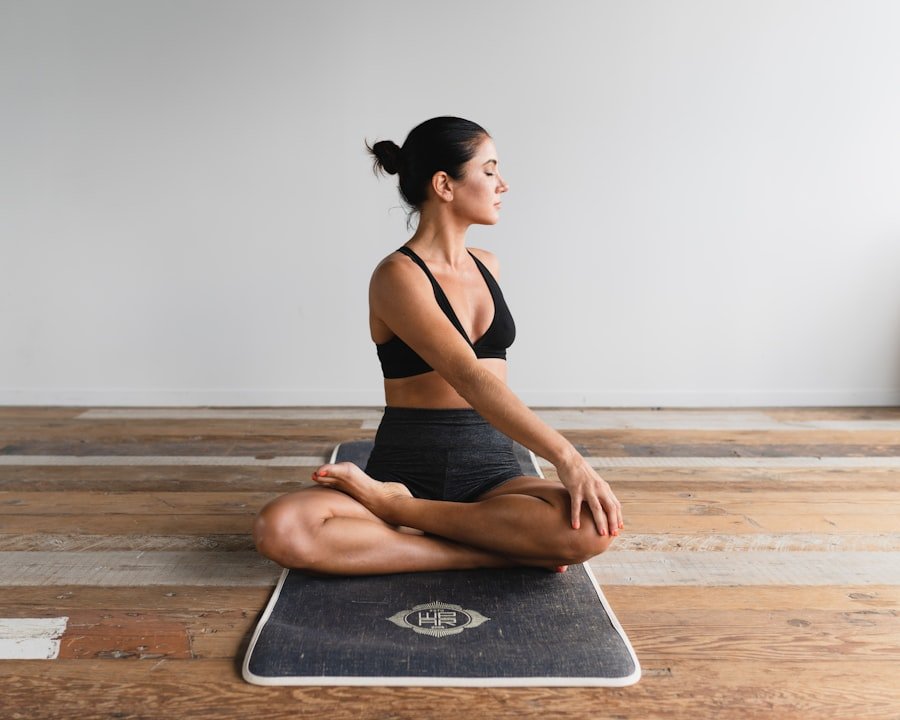
Child’s Pose, or Balasana, is a gentle resting posture that serves as an excellent starting point for those seeking stress relief through yoga. This pose encourages deep relaxation while stretching the back and hips, making it particularly beneficial for individuals who carry tension in these areas. To enter Child’s Pose, one begins by kneeling on the mat with the big toes touching and knees spread apart.
As they exhale, they can lower their torso down between their thighs, extending their arms forward or resting them alongside the body. This position allows for a natural release of tension while promoting a sense of safety and comfort. The beauty of Child’s Pose lies in its accessibility; it can be practiced by individuals of all skill levels and is often used as a restorative pose during more challenging sequences.
As practitioners settle into this position, they are encouraged to focus on their breath, inhaling deeply through the nose and exhaling slowly through the mouth. This mindful breathing not only enhances relaxation but also helps to ground individuals in the present moment. By taking time to connect with their breath and body in Child’s Pose, practitioners can cultivate a sense of calm that carries over into their daily lives.
Pose 2: Cat-Cow Pose (Marjaryasana-Bitilasana)
Cat-Cow Pose, known as Marjaryasana-Bitilasana, is a dynamic sequence that combines two complementary postures to promote spinal flexibility and relieve tension in the back. This pose is particularly effective for those who experience stress-related tightness in their neck and shoulders. To practice Cat-Cow, one begins on all fours with wrists aligned under shoulders and knees under hips.
As they inhale, they arch their back and lift their head and tailbone toward the sky (Cow Pose). On the exhale, they round their spine, tucking the chin to the chest and drawing the belly button toward the spine (Cat Pose). This flowing movement encourages the release of pent-up energy while fostering a sense of rhythm and flow.
The Cat-Cow sequence not only enhances physical flexibility but also serves as a moving meditation that encourages mindfulness. As practitioners transition between the two poses, they are invited to synchronize their breath with movement, creating a harmonious connection between body and mind. This practice can be particularly beneficial during moments of heightened stress or anxiety, as it allows individuals to channel their energy into movement rather than remaining stagnant in their worries.
By incorporating Cat-Cow into their routine, practitioners can cultivate a greater sense of awareness and presence.
Pose 3: Standing Forward Bend (Uttanasana)
| Metric | Description | Typical Values | Unit |
|---|---|---|---|
| Session Duration | Average length of a yoga session | 30 – 90 | minutes |
| Calories Burned | Estimated calories burned per session | 150 – 400 | calories |
| Heart Rate | Average heart rate during practice | 90 – 120 | beats per minute |
| Flexibility Improvement | Percentage increase in flexibility after 3 months | 10 – 30 | % |
| Stress Reduction | Reported decrease in stress levels after regular practice | 20 – 50 | % |
| Balance Improvement | Increase in balance time on one leg after 8 weeks | 15 – 40 | seconds |
| Common Styles Practiced | Popular yoga styles by practitioners | Hatha, Vinyasa, Ashtanga, Iyengar, Bikram | N/A |
Standing Forward Bend, or Uttanasana, is another powerful pose that can aid in stress relief by promoting relaxation and grounding.
To enter this pose, one begins standing tall with feet hip-width apart.
As they exhale, they hinge at the hips and fold forward, allowing the upper body to hang heavy toward the ground. The knees can be slightly bent if needed to prevent strain on the lower back. This position encourages a release of tension while inviting a sense of surrender.
In addition to its physical benefits, Standing Forward Bend offers an opportunity for introspection and reflection. As practitioners hang in this pose, they are encouraged to let go of any lingering thoughts or worries, allowing them to simply be present in the moment. The act of folding forward can symbolize a release of burdens and an invitation to embrace stillness.
By incorporating Uttanasana into their yoga practice, individuals can cultivate a deeper connection with themselves while fostering a sense of peace amidst life’s challenges.
Pose 4: Corpse Pose (Savasana)
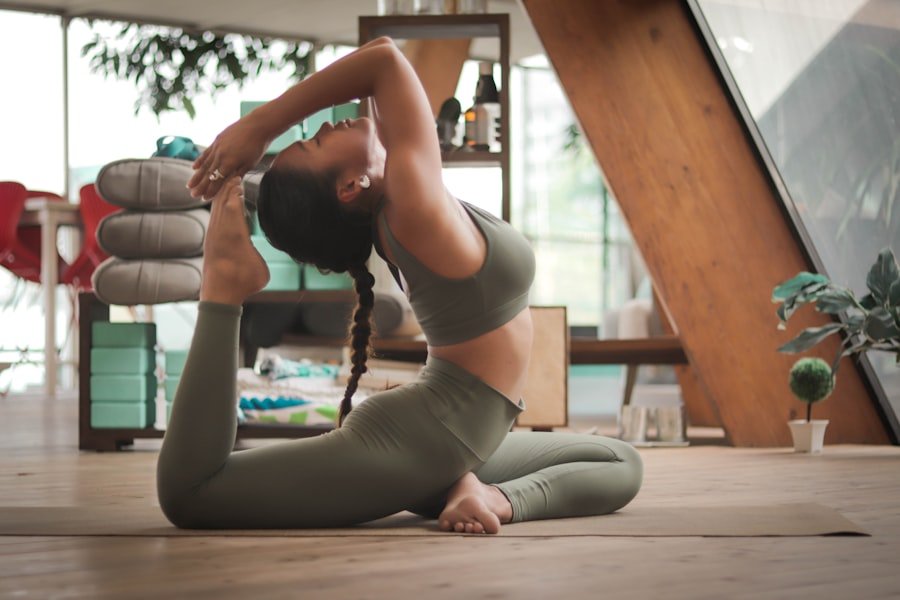
Corpse Pose, or Savasana, is often regarded as one of the most important poses in yoga practice due to its profound ability to promote relaxation and integration. Typically practiced at the end of a session, Savasana allows individuals to fully absorb the benefits of their practice while encouraging deep rest. To enter this pose, one lies flat on their back with arms extended alongside the body and legs comfortably apart.
The focus shifts to breath awareness as practitioners allow their bodies to sink into the mat, releasing any remaining tension. The significance of Savasana extends beyond mere physical relaxation; it serves as a powerful tool for mental clarity and emotional release. In this state of stillness, individuals are encouraged to observe their thoughts without judgment, allowing them to drift away like clouds passing through the sky.
This practice fosters a sense of detachment from stressors and cultivates an inner sanctuary where peace can flourish. By incorporating Savasana into their routine, practitioners can experience profound moments of tranquility that resonate long after they leave the mat.
Pose 5: Legs-Up-the-Wall Pose (Viparita Karani)
Legs-Up-the-Wall Pose, known as Viparita Karani, is a restorative posture that offers numerous benefits for stress relief and relaxation. This pose involves lying on one’s back with legs extended vertically against a wall while keeping the arms relaxed at the sides or resting on the abdomen. The gentle inversion encourages blood flow toward the heart while promoting a sense of calm throughout the body.
It is particularly effective for alleviating fatigue and tension accumulated throughout the day. Practicing Legs-Up-the-Wall Pose allows individuals to disconnect from external distractions while fostering a deep sense of relaxation. As they settle into this position, they are encouraged to focus on their breath and let go of any lingering thoughts or concerns.
The gentle elevation of the legs can help reduce anxiety while promoting feelings of serenity and balance. By incorporating Viparita Karani into their stress relief routine, practitioners can create a sanctuary for themselves—a space where they can recharge and rejuvenate amidst life’s demands.
Conclusion and Tips for Incorporating Yoga into Your Stress Relief Routine
In conclusion, yoga offers a multifaceted approach to stress relief that encompasses physical movement, breath awareness, and mindfulness practices. The poses discussed—Child’s Pose, Cat-Cow Pose, Standing Forward Bend, Corpse Pose, and Legs-Up-the-Wall Pose—serve as valuable tools for individuals seeking to cultivate inner peace amidst life’s challenges. By engaging in these practices regularly, individuals can experience profound benefits that extend beyond the mat.
To effectively incorporate yoga into a daily routine for stress relief, individuals may consider setting aside dedicated time each day for practice—whether it be in the morning to set a positive tone for the day or in the evening as a way to unwind before bed. Creating a calming environment with soft lighting or soothing music can enhance the experience further. Additionally, individuals are encouraged to listen to their bodies and honor their unique needs during practice; there is no one-size-fits-all approach to yoga.
Ultimately, by embracing yoga as a tool for stress relief, individuals can cultivate resilience and find solace amidst life’s uncertainties. Through consistent practice and mindful engagement with each pose, they can foster a deeper connection with themselves while navigating life’s challenges with grace and ease.
Yoga is a powerful practice that can enhance both physical and mental well-being. For those looking to deepen their understanding of how to incorporate healthy habits into their daily routine, a great resource is the article on boosting health with simple tips. You can read more about it in this informative piece: Boost Your Health: Simple Tips for a Healthier Lifestyle. This article complements the principles of yoga by providing practical advice for achieving a balanced and healthy life.