
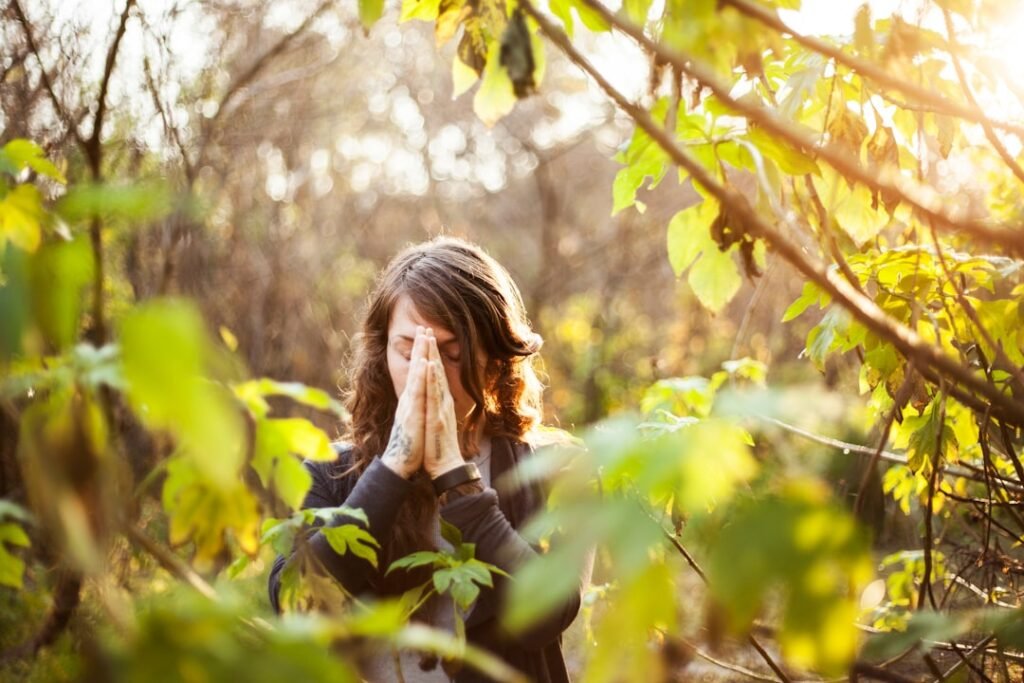
Spirituality is a multifaceted concept that transcends the boundaries of religion and dogma. It encompasses a broad spectrum of beliefs and practices that seek to connect individuals with something greater than themselves. At its core, spirituality is about the quest for meaning, purpose, and understanding in life.
It invites individuals to explore their inner selves, fostering a sense of connection to the universe, nature, and humanity as a whole. This journey often leads to profound insights about existence, identity, and the interconnectedness of all living beings. In many cultures, spirituality is viewed as a personal experience that can manifest in various forms.
For some, it may involve traditional religious practices, while for others, it may be expressed through meditation, mindfulness, or a deep appreciation for nature. Regardless of the path taken, spirituality encourages individuals to reflect on their values, beliefs, and experiences. This introspective journey can lead to a greater awareness of one’s place in the world and a deeper understanding of the forces that shape human existence.
Key Takeaways
- Spirituality involves a personal connection with the divine and a search for deeper meaning.
- It plays a crucial role in personal growth by fostering self-awareness and inner transformation.
- Engaging in spiritual practices can improve mental health and emotional well-being.
- Spirituality encourages compassion, enhancing empathy and kindness towards others.
- It positively influences relationships by promoting understanding, peace, and fulfillment.
Connecting with the Divine
The act of connecting with the divine is often seen as a central aspect of spirituality. This connection can take many forms, from prayer and meditation to rituals and communal gatherings. For many, it is about establishing a relationship with a higher power or universal energy that transcends the physical realm.
This relationship can provide comfort, guidance, and a sense of belonging in an often chaotic world. Individuals may find solace in the belief that they are part of something larger than themselves, which can be both empowering and humbling. Moreover, connecting with the divine can foster a sense of peace and clarity in one’s life.
Through practices such as meditation or contemplation, individuals can quiet their minds and open their hearts to receive insights and inspiration. This connection often leads to moments of profound realization and understanding, allowing individuals to navigate life’s challenges with greater resilience. The experience of feeling connected to the divine can also inspire acts of kindness and compassion, as individuals recognize their shared humanity with others.
The Role of Spirituality in Personal Growth

Spirituality plays a significant role in personal growth by encouraging individuals to explore their inner landscapes and confront their fears, desires, and aspirations. This journey of self-discovery often involves questioning long-held beliefs and assumptions about oneself and the world. As individuals delve deeper into their spiritual practices, they may uncover hidden strengths and weaknesses that contribute to their overall development.
This process can lead to transformative experiences that reshape one’s identity and purpose. Furthermore, spirituality often promotes a sense of accountability and responsibility for one’s actions. As individuals become more attuned to their spiritual selves, they may feel compelled to align their behaviors with their values and beliefs.
This alignment can lead to healthier choices, improved relationships, and a greater sense of fulfillment in life.
Spirituality and Mental Health
The relationship between spirituality and mental health has garnered increasing attention in recent years. Many studies suggest that engaging in spiritual practices can have a positive impact on mental well-being. Spirituality often provides individuals with coping mechanisms during times of stress or crisis, offering a framework for understanding life’s challenges.
The sense of connection to something greater can alleviate feelings of isolation and despair, promoting emotional resilience. Additionally, spirituality encourages mindfulness and self-reflection, which are essential components of mental health. Practices such as meditation and prayer can help individuals cultivate awareness of their thoughts and emotions, leading to greater emotional regulation.
By fostering a deeper understanding of oneself, spirituality can empower individuals to address mental health issues more effectively. This holistic approach to well-being recognizes the interplay between mind, body, and spirit, emphasizing the importance of nurturing all aspects of one’s being.
Exploring Different Spiritual Practices
| Metric | Description | Measurement Method | Typical Range |
|---|---|---|---|
| Spiritual Well-Being | Overall sense of peace and purpose in life | Spiritual Well-Being Scale (SWBS) | 20 – 120 (higher is better) |
| Meditation Frequency | Number of meditation sessions per week | Self-reported survey | 0 – 14 sessions |
| Mindfulness Score | Level of present-moment awareness | Mindful Attention Awareness Scale (MAAS) | 1 – 6 (higher is more mindful) |
| Religious/Spiritual Service Attendance | Frequency of attending spiritual or religious gatherings | Self-reported frequency | 0 – 7 times per week |
| Sense of Connectedness | Feeling of connection to others and the universe | Connectedness to Nature Scale or similar | 1 – 7 (higher is stronger connection) |
| Spiritual Coping | Use of spiritual beliefs to manage stress | Brief RCOPE scale | 14 – 56 (higher indicates more spiritual coping) |
The diversity of spiritual practices around the world reflects the rich tapestry of human experience. From ancient traditions to contemporary movements, individuals have developed various ways to connect with the divine and explore their spirituality. Practices such as yoga, meditation, tai chi, and mindfulness have gained popularity for their ability to promote inner peace and self-awareness.
Each practice offers unique benefits and insights, allowing individuals to find what resonates most with them. In addition to these practices, many cultures incorporate rituals that serve as expressions of spirituality. These rituals may include ceremonies marking significant life events such as births, marriages, or transitions into adulthood.
They often provide a sense of community and belonging while reinforcing shared values and beliefs. By exploring different spiritual practices, individuals can broaden their understanding of spirituality and discover new pathways for personal growth and connection.
Finding Inner Peace and Fulfillment through Spirituality

The pursuit of inner peace is a common goal for many individuals on their spiritual journeys. Spirituality offers tools and practices that can help individuals cultivate tranquility amidst life’s chaos. Through meditation, mindfulness, or simply spending time in nature, individuals can create spaces for reflection and stillness.
These moments allow for a deeper connection with oneself and foster an environment where inner peace can flourish. Moreover, spirituality often encourages individuals to let go of attachments and expectations that contribute to stress and anxiety. By embracing the present moment and accepting life’s impermanence, individuals can find fulfillment in simply being rather than constantly striving for external validation or success.
This shift in perspective can lead to a profound sense of contentment and joy that transcends material pursuits.
Spirituality and Compassion
Compassion is often regarded as one of the highest expressions of spirituality. When individuals connect with their spiritual selves, they may develop a heightened sense of empathy for others.
Spirituality encourages individuals to recognize their interconnectedness with others, fostering a sense of responsibility to alleviate suffering wherever possible. Acts of compassion can take many forms, from simple gestures of kindness to more significant commitments to social justice or humanitarian efforts. Engaging in compassionate actions not only benefits those on the receiving end but also enriches the giver’s spiritual journey.
The act of helping others can create a sense of purpose and fulfillment that reinforces one’s spiritual beliefs while contributing positively to the world.
The Impact of Spirituality on Relationships
Spirituality can profoundly influence relationships by fostering deeper connections between individuals. When people share similar spiritual beliefs or practices, they often find common ground that strengthens their bonds. This shared understanding can create an environment where open communication flourishes, allowing for more meaningful interactions.
Spirituality encourages individuals to approach relationships with love, respect, and compassion—qualities that are essential for healthy connections. Moreover, spirituality can serve as a guiding force during challenging times in relationships. When conflicts arise or misunderstandings occur, individuals who are spiritually attuned may be more inclined to seek resolution through empathy and forgiveness rather than anger or resentment.
This approach not only promotes healing within relationships but also reinforces the importance of maintaining harmony in one’s interactions with others. Ultimately, spirituality enriches relationships by encouraging individuals to cultivate love and understanding in their connections with family, friends, and communities. In conclusion, spirituality is a profound aspect of human existence that encompasses various beliefs and practices aimed at connecting individuals with something greater than themselves.
It plays a vital role in personal growth by encouraging self-exploration and alignment with one’s values while also promoting mental health through coping mechanisms and mindfulness practices. By exploring different spiritual practices, individuals can find inner peace and fulfillment while fostering compassion towards others. Ultimately, spirituality has the power to transform relationships by nurturing deeper connections based on love and understanding.
Exploring the depths of spirituality can be a transformative journey, and if you’re looking for inspiration, you might find my personal journey enlightening. You can read more about it in my story, which highlights the pivotal moments that shaped my spiritual path. Check it out here: My Story.