
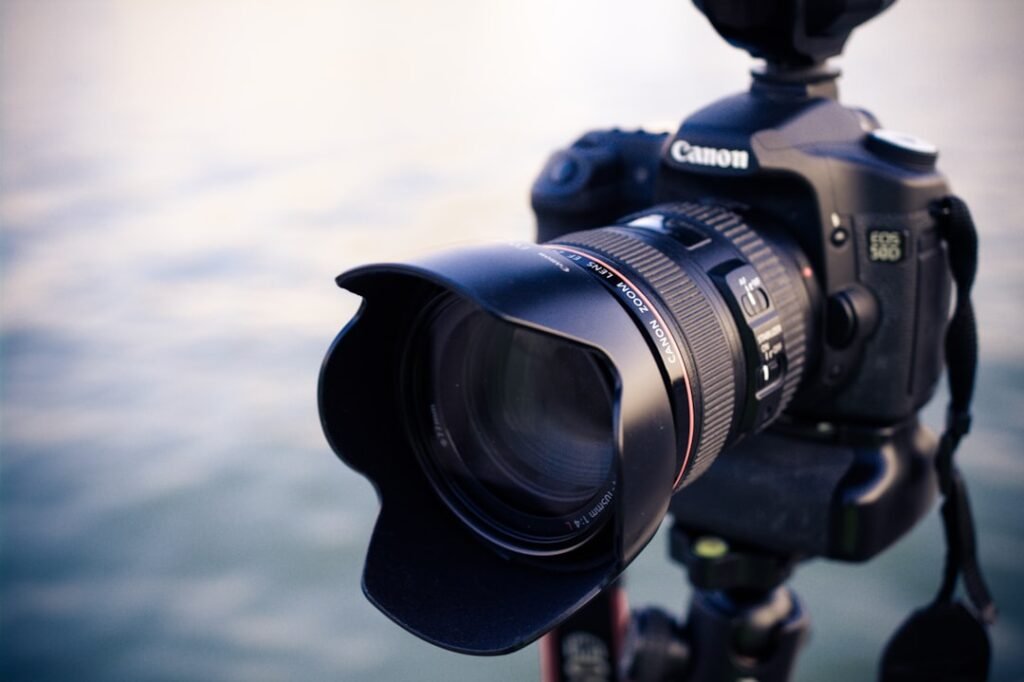
The journey of photography began in the early 19th century with the invention of the daguerreotype by Louis Daguerre in 1839. This groundbreaking process allowed for the first time the capture of a moment in time on a metal plate, creating a detailed image that could be reproduced. The daguerreotype was a labor-intensive process, requiring long exposure times and meticulous handling, but it marked a significant leap forward in visual representation.
As the public became enamored with this new art form, studios began to pop up across Europe and America, allowing people from various walks of life to have their portraits taken. This democratization of imagery was revolutionary, as it provided a means for individuals to preserve their likenesses and share them with others. As the years progressed, photography evolved through various techniques and technologies.
The introduction of collodion wet plates in the 1850s allowed for shorter exposure times and greater detail, paving the way for more dynamic compositions. The invention of roll film by George Eastman in the late 19th century further transformed photography, making it accessible to the masses. With the Kodak camera, photography became a popular pastime, enabling everyday people to capture their lives without needing extensive training or knowledge of complex processes.
The transition from film to digital photography in the late 20th century marked yet another significant milestone, allowing for instant image review and manipulation. Today, photography is an integral part of modern life, with digital cameras and smartphones making it easier than ever to document experiences and share them with the world.
Key Takeaways
- Photography has evolved from early daguerreotypes to advanced digital technology.
- Composition techniques like the rule of thirds and leading lines are essential for impactful images.
- Mastering light and exposure is key to capturing well-balanced and striking photographs.
- Portrait photography focuses on conveying emotion and personality through the lens.
- Post-processing plays a crucial role in enhancing images and expressing a photographer’s unique style.
Understanding Composition: The Rule of Thirds and Leading Lines
Composition is a fundamental aspect of photography that can significantly influence the impact of an image. One of the most widely recognized principles is the Rule of Thirds, which suggests dividing an image into nine equal parts using two horizontal and two vertical lines. By positioning key elements along these lines or at their intersections, photographers can create a more balanced and engaging composition.
This technique encourages viewers’ eyes to move through the image naturally, drawing attention to focal points while maintaining a sense of harmony. For instance, placing a subject off-center can evoke a sense of movement or tension, making the photograph more dynamic. Leading lines are another powerful compositional tool that guides the viewer’s gaze through an image.
These lines can be found in various forms, such as roads, rivers, or architectural elements, and they create a pathway that leads to the main subject or point of interest. By incorporating leading lines into a photograph, a photographer can establish depth and perspective, enhancing the overall visual experience. For example, a winding road leading toward a distant mountain can evoke feelings of adventure and exploration.
When combined with the Rule of Thirds, these compositional techniques can elevate an image from ordinary to extraordinary, allowing photographers to convey their intended message more effectively.
Mastering Light and Exposure: Techniques for Capturing the Perfect Shot
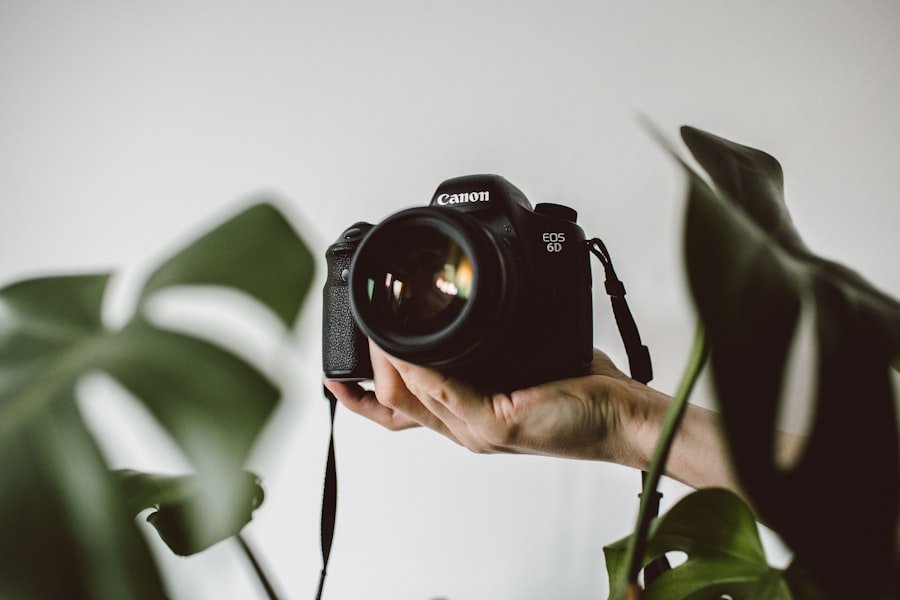
Light is often considered the most critical element in photography, as it directly affects how images are perceived. Understanding how to manipulate light and exposure is essential for capturing stunning photographs. Natural light can vary dramatically throughout the day, with the golden hour—shortly after sunrise or before sunset—providing soft, warm tones that enhance landscapes and portraits alike.
Photographers often seek out these moments to create images that evoke emotion and beauty. Additionally, experimenting with different lighting conditions, such as backlighting or silhouettes, can yield unique results that add depth and intrigue to a photograph. Exposure is another vital aspect that photographers must master to achieve their desired results.
The exposure triangle—comprising aperture, shutter speed, and ISO—plays a crucial role in determining how light interacts with the camera sensor. A wide aperture allows more light to enter the camera, creating a shallow depth of field that isolates subjects from their backgrounds. Conversely, a narrow aperture increases depth of field, ensuring that more elements within the frame are in focus.
Shutter speed controls how long light hits the sensor; faster speeds freeze motion while slower speeds can create beautiful motion blur effects. By understanding and manipulating these elements, photographers can capture images that not only reflect reality but also convey their artistic vision.
The Art of Portraiture: Capturing Emotion and Personality
Portraiture is one of the most intimate forms of photography, as it seeks to capture not just a person’s likeness but also their essence. A successful portrait goes beyond mere representation; it conveys emotion and personality through careful consideration of lighting, composition, and expression. Photographers often strive to create an environment where subjects feel comfortable and at ease, allowing their true selves to shine through.
This connection between photographer and subject is crucial for eliciting genuine emotions that resonate with viewers. To achieve compelling portraits, photographers must also pay attention to details such as background elements and lighting conditions. A cluttered background can distract from the subject, while a simple backdrop can enhance their presence.
Natural light is often preferred for portraiture due to its soft quality; however, artificial lighting can also be used creatively to sculpt features and create mood. Additionally, posing plays a significant role in portrait photography; subtle adjustments can make a world of difference in how a subject is perceived.
Landscape Photography: Finding the Perfect Balance of Nature and Man-made Structures
| Metric | Description | Typical Value / Range | Unit |
|---|---|---|---|
| Resolution | Number of pixels in an image | 12 – 100 | Megapixels (MP) |
| ISO Sensitivity | Camera sensor sensitivity to light | 100 – 51200 | ISO |
| Shutter Speed | Duration the camera shutter is open | 1/8000 – 30 | Seconds |
| Aperture (f-stop) | Size of the lens opening | f/1.2 – f/22 | f-number |
| Focal Length | Distance between lens and image sensor | 14 – 600 | Millimeters (mm) |
| White Balance | Color temperature adjustment | 2500 – 10000 | Kelvin (K) |
| Dynamic Range | Range of light intensities a camera can capture | 10 – 15 | Stops |
| Frame Rate | Number of frames captured per second (for video) | 24 – 120 | Frames per second (fps) |
Landscape photography offers a unique opportunity to explore the relationship between nature and human existence. Photographers often seek to capture breathtaking vistas that showcase the beauty of the natural world while also considering how man-made structures interact with these environments. This balance can create powerful images that tell stories about our connection to the earth and our impact on it.
Whether it’s a serene mountain range or an urban skyline at sunset, landscape photography invites viewers to appreciate both the grandeur of nature and the intricacies of human design. To achieve stunning landscape photographs, photographers must consider various factors such as composition, lighting, and weather conditions. The use of foreground elements can add depth to an image, drawing viewers into the scene while providing context for the main subject.
Additionally, understanding how light interacts with landscapes at different times of day can dramatically alter the mood of a photograph. For instance, capturing a cityscape during twilight can evoke feelings of nostalgia and wonder as lights begin to twinkle against a fading sky. By skillfully blending natural elements with human structures, photographers can create captivating images that resonate with viewers on multiple levels.
The Role of Post-Processing: Enhancing and Editing Your Images
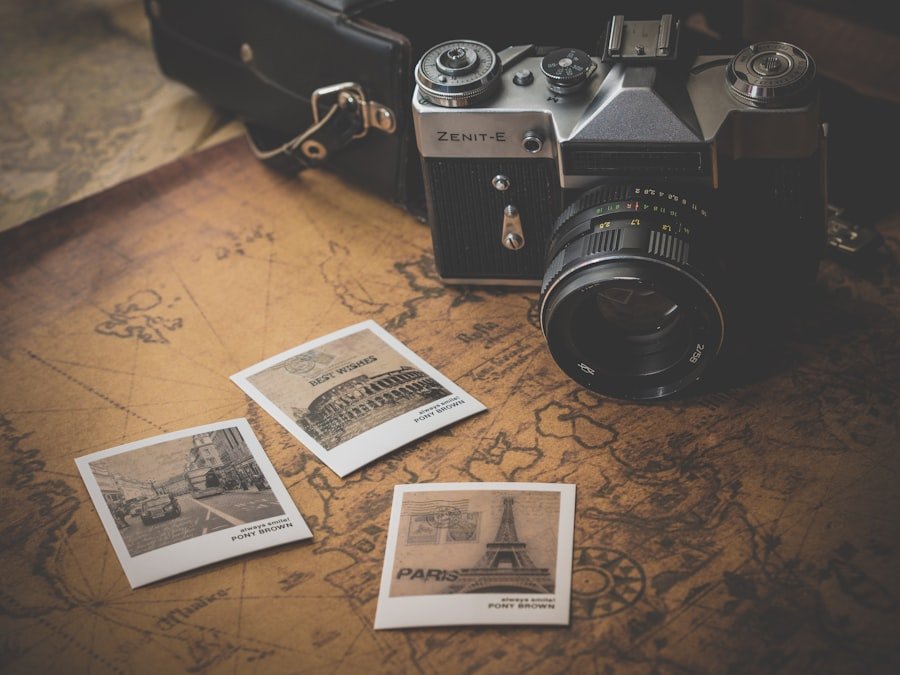
In today’s digital age, post-processing has become an integral part of the photographic process. While capturing an image is essential, editing allows photographers to refine their work and bring their creative vision to life. Software such as Adobe Lightroom and Photoshop provides tools for adjusting exposure, color balance, contrast, and sharpness—enabling photographers to enhance their images while maintaining authenticity.
Post-processing can also involve more artistic choices, such as applying filters or creating composite images that blend multiple photographs into one cohesive piece. However, it is crucial for photographers to strike a balance between enhancement and over-editing. While post-processing can elevate an image’s aesthetic appeal, excessive manipulation may lead to unrealistic representations that detract from its original intent.
Many photographers advocate for a philosophy of minimalism in editing—aiming to enhance rather than alter reality significantly. This approach allows for personal expression while respecting the integrity of the captured moment.
The Impact of Photography on Society: Documenting History and Shaping Perceptions
Photography has played a pivotal role in documenting history and shaping societal perceptions since its inception. From iconic war photographs that capture human suffering to powerful images that highlight social injustices, photography has the ability to evoke empathy and provoke thought among viewers. It serves as a visual record of events that might otherwise be forgotten or overlooked, preserving moments in time for future generations.
The work of photojournalists has been particularly influential in bringing attention to critical issues around the world—often sparking conversations that lead to social change. Moreover, photography has also shaped cultural perceptions by influencing how people view themselves and others. Advertising campaigns rely heavily on imagery to convey messages about beauty standards, lifestyle aspirations, and consumerism.
Social media platforms have further amplified this effect by allowing individuals to curate their own narratives through carefully selected images. As a result, photography has become both a tool for self-expression and a means of shaping public opinion—highlighting its profound impact on society at large.
Finding Your Unique Style: Developing a Personal Vision in Photography
As photographers hone their skills and explore various techniques, they often embark on a journey toward discovering their unique style. This personal vision is shaped by individual experiences, influences from other artists, and experimentation with different genres and subjects. Finding one’s voice in photography is not merely about technical proficiency; it involves understanding what resonates personally and how to convey that through imagery.
Whether it’s capturing candid moments in street photography or creating ethereal landscapes, each photographer’s style reflects their perspective on the world. Developing a unique style requires patience and persistence; it often involves trial and error as photographers explore different approaches and techniques. Engaging with other artists through workshops or online communities can provide valuable feedback and inspiration along this journey.
Additionally, studying the work of established photographers can help emerging artists identify elements they admire or wish to incorporate into their own practice. Ultimately, finding one’s unique style is an ongoing process—a continuous exploration that evolves alongside personal growth and artistic development in the ever-changing landscape of photography.
If you’re looking to enhance your photography skills, you might find inspiration in the article about personal journeys and growth. Understanding the story behind the lens can significantly impact your creative process. You can read more about this in the article My Story, which explores the transformative power of personal experiences.