
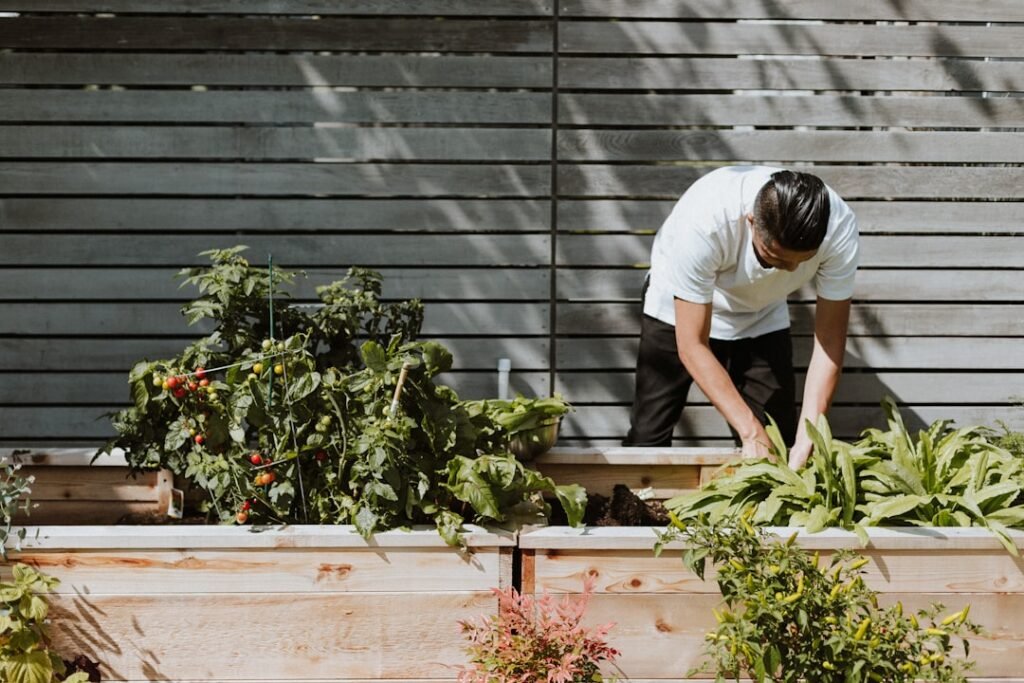
Gardening offers a multitude of health benefits that extend beyond the mere act of planting and nurturing plants. Engaging in gardening activities can significantly enhance physical health by promoting regular exercise.
Studies have shown that spending time in the garden can burn calories comparable to a moderate workout, making it an enjoyable way to stay active. Furthermore, the exposure to sunlight while gardening helps the body produce vitamin D, which is essential for bone health and immune function. In addition to physical benefits, gardening also contributes positively to mental health.
The act of tending to plants can reduce stress levels and promote relaxation. Many individuals find solace in the rhythmic motions of gardening, which can serve as a form of meditation. The sensory experiences associated with gardening—the feel of soil, the scent of flowers, and the sight of vibrant colors—can stimulate the mind and elevate mood.
Research has indicated that spending time in green spaces can lower anxiety and depression levels, making gardening a powerful tool for enhancing overall well-being.
Key Takeaways
- Gardening promotes physical health and reduces stress through active outdoor engagement.
- Sustainable gardening practices conserve resources and support local ecosystems.
- Gardening offers therapeutic benefits, aiding mental health and emotional well-being.
- Growing your own food enhances nutrition and fosters self-sufficiency.
- Cultivating flowers brings joy and strengthens the connection with nature.
Creating a Sustainable Garden
Creating a sustainable garden involves thoughtful planning and practices that prioritize environmental health.
These plants are well-adapted to local climates and require less water and maintenance than non-native species.
By incorporating native flora, gardeners can create a thriving ecosystem that supports local wildlife, including pollinators like bees and butterflies. This approach not only enhances biodiversity but also reduces the need for chemical fertilizers and pesticides, which can harm the environment. Another essential aspect of sustainable gardening is the practice of composting.
Composting transforms kitchen scraps and yard waste into nutrient-rich soil amendments that can enhance plant growth. By recycling organic materials, gardeners can reduce waste sent to landfills while enriching their gardens naturally. Additionally, implementing water conservation techniques, such as rainwater harvesting or drip irrigation systems, can significantly reduce water usage.
These practices not only contribute to a healthier garden but also promote a more sustainable lifestyle that respects natural resources.
The Therapeutic Effects of Gardening
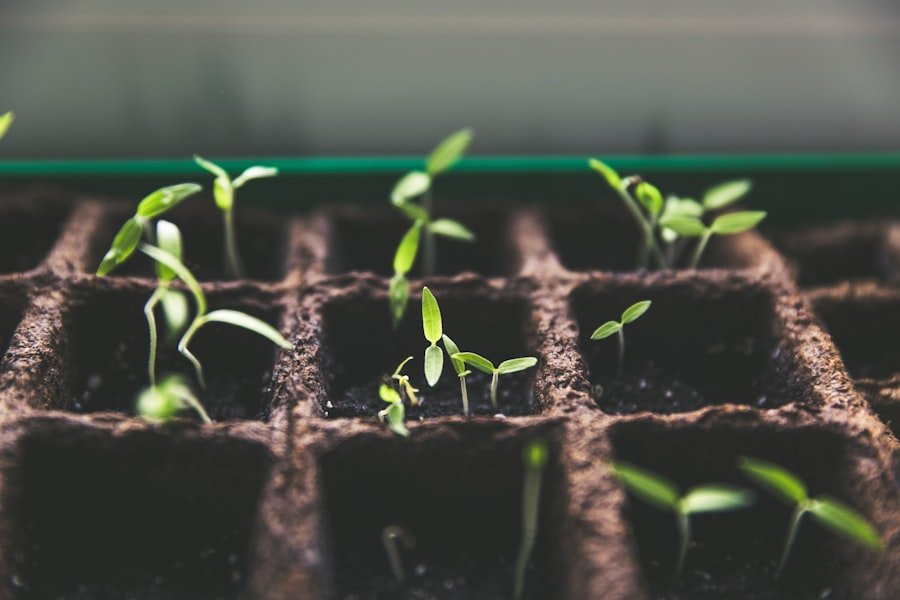
The therapeutic effects of gardening are profound and well-documented. Many individuals turn to gardening as a form of therapy to cope with various life challenges, including stress, grief, or mental health issues. The act of nurturing plants provides a sense of purpose and accomplishment, which can be particularly beneficial for those struggling with feelings of helplessness or despair.
As plants grow and flourish under their care, gardeners often experience a boost in self-esteem and confidence. Moreover, gardening can serve as a form of mindfulness practice. The focus required to tend to plants encourages individuals to be present in the moment, allowing them to escape from daily worries and distractions.
This mindful engagement with nature can lead to improved emotional regulation and resilience. Many therapeutic programs now incorporate gardening as a means to promote healing and recovery, recognizing its ability to foster connections between individuals and their environment.
Tips for Growing Your Own Food
Growing one’s own food can be a rewarding endeavor that promotes self-sufficiency and healthy eating habits. To start, it is essential for aspiring gardeners to choose the right location for their garden. A sunny spot with well-drained soil is ideal for most vegetables and herbs.
Beginners should consider starting with easy-to-grow crops such as tomatoes, lettuce, or radishes, which can provide quick results and boost confidence in their gardening abilities. Planning is crucial when it comes to growing food successfully. Gardeners should take into account the growing season in their region and select crops that thrive during those months.
Additionally, implementing crop rotation can help maintain soil health and prevent pest infestations. Regular maintenance, including watering, weeding, and monitoring for pests, is vital for ensuring a bountiful harvest. By dedicating time and effort to their gardens, individuals can enjoy fresh produce while cultivating a deeper connection with their food sources.
The Joy of Cultivating Flowers
| Plant Type | Watering Frequency | Sunlight Requirement | Growth Rate | Harvest Time |
|---|---|---|---|---|
| Tomato | Every 2 days | Full Sun (6-8 hours) | Fast | 60-85 days |
| Carrot | Once a week | Full Sun to Partial Shade | Moderate | 70-80 days |
| Basil | Every 3 days | Full Sun | Fast | 50-75 days |
| Lettuce | Every 2-3 days | Partial Shade | Fast | 30-60 days |
| Rose | Every 3 days | Full Sun | Slow | Varies |
Cultivating flowers brings immense joy and beauty into one’s life and surroundings. Flower gardens can serve as vibrant expressions of creativity, allowing gardeners to experiment with colors, shapes, and fragrances. The process of selecting flowers based on personal preferences or seasonal availability can be an enjoyable journey in itself.
From delicate daisies to bold sunflowers, each bloom adds its unique charm to the garden landscape. Beyond aesthetics, flowers also play a vital role in supporting local ecosystems. Many flowering plants attract pollinators such as bees and butterflies, which are essential for the reproduction of many crops and wild plants.
By cultivating a diverse array of flowers, gardeners contribute to the health of their local environment while enjoying the visual splendor they provide. The simple act of tending to flowers can evoke feelings of happiness and tranquility, making flower gardening a cherished pastime for many.
Gardening for Mental Well-being
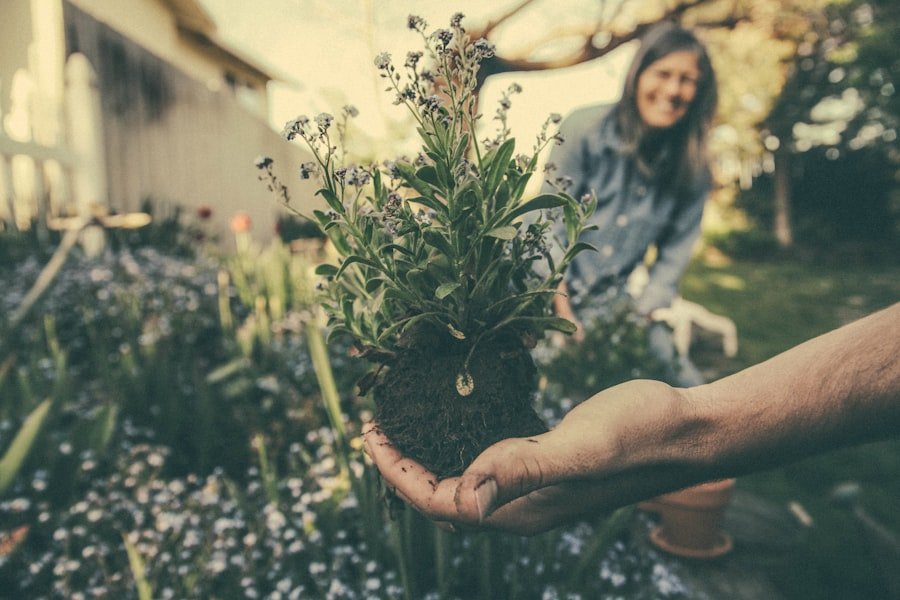
Gardening has been recognized as an effective means of promoting mental well-being across various demographics. The act of nurturing plants fosters a sense of responsibility and connection to life cycles, which can be particularly grounding for individuals facing mental health challenges. Engaging with nature through gardening allows individuals to step away from technology and daily stressors, creating a peaceful retreat where they can recharge mentally.
Furthermore, community gardens have emerged as powerful tools for enhancing mental well-being within neighborhoods. These shared spaces not only provide access to fresh produce but also foster social connections among participants. Working alongside others in a garden setting encourages collaboration and communication, reducing feelings of isolation that many individuals experience.
The shared joy of watching plants grow together cultivates a sense of belonging and community spirit that is invaluable for mental health.
The Environmental Impact of Gardening
The environmental impact of gardening extends far beyond individual gardens; it contributes positively to global ecological health. Home gardens can serve as vital habitats for various species, including birds, insects, and small mammals. By creating diverse plantings that include native species, gardeners can support local wildlife populations while enhancing biodiversity in their areas.
Moreover, gardening practices such as organic farming techniques help reduce chemical runoff into waterways, promoting cleaner ecosystems. By avoiding synthetic fertilizers and pesticides, gardeners contribute to healthier soil and water systems that benefit both human populations and wildlife alike. Additionally, urban gardening initiatives have gained traction in recent years as cities seek ways to combat food deserts and promote green spaces within urban environments.
These efforts not only improve air quality but also create more resilient communities capable of adapting to climate change.
Connecting with Nature through Gardening
Gardening serves as a powerful conduit for connecting with nature on multiple levels. For many individuals, spending time in the garden fosters a deeper appreciation for the natural world and its intricate systems. Observing the growth cycles of plants—from seed germination to full bloom—can instill a sense of wonder about life itself.
This connection often leads individuals to become more environmentally conscious and engaged in conservation efforts. Additionally, gardening encourages mindfulness by immersing individuals in sensory experiences that heighten awareness of their surroundings. The sights, sounds, and smells associated with gardening create an immersive experience that fosters a sense of peace and tranquility.
As gardeners cultivate their plots, they often find themselves more attuned to seasonal changes and the rhythms of nature, deepening their relationship with the environment around them. Through this connection, gardening becomes not just a hobby but a pathway toward greater harmony with the natural world.
Gardening not only provides a therapeutic escape but also contributes significantly to our overall health and nutrition. For those looking to understand the vital role that nutrition plays in maintaining a healthy lifestyle, the article on the importance of nutrition can be quite enlightening. You can read more about it here: The Importance of Nutrition for Overall Health.