

Weight loss is a multifaceted process that involves a combination of dietary changes, physical activity, and behavioral modifications. At its core, weight loss occurs when an individual consumes fewer calories than they expend, creating a caloric deficit. This fundamental principle is often simplified to the equation: calories in versus calories out.
However, the journey to achieving and maintaining a healthy weight is far more complex than merely counting calories. It encompasses understanding how different foods affect the body, the role of metabolism, and the psychological factors that influence eating habits. Moreover, weight loss is not solely about aesthetics; it is also about health.
Excess weight can lead to a myriad of health issues, including diabetes, heart disease, and joint problems. Therefore, understanding the basics of weight loss is crucial for anyone looking to improve their overall well-being. It is essential to recognize that each person’s body responds differently to various diets and exercise regimens.
Factors such as age, gender, genetics, and lifestyle all play significant roles in how effectively one can lose weight. Thus, a personalized approach is often necessary for sustainable results.
Key Takeaways
- Grasp fundamental concepts of weight loss to build a strong foundation.
- Set achievable and realistic weight loss goals to maintain motivation.
- Develop a balanced diet plan focusing on nutrition and portion control.
- Include consistent exercise and manage stress and sleep for optimal results.
- Monitor progress, adjust strategies, and seek professional support when needed.
Setting Realistic Goals for Weight Loss
Setting realistic goals is a critical step in the weight loss journey. Many individuals embark on their quest with lofty aspirations, such as losing a significant amount of weight in a short period. However, such ambitious targets can lead to disappointment and frustration if not achieved.
Instead, experts recommend setting smaller, achievable goals that can be gradually built upon. For instance, aiming to lose one to two pounds per week is a more attainable target that allows for steady progress without overwhelming the individual.
These might include improving physical fitness levels, increasing energy, or fitting into a favorite piece of clothing. By diversifying goals, individuals can maintain motivation even when the scale does not reflect immediate success. Celebrating these smaller victories can foster a positive mindset and encourage continued commitment to the weight loss journey.
Creating a Healthy and Balanced Diet Plan
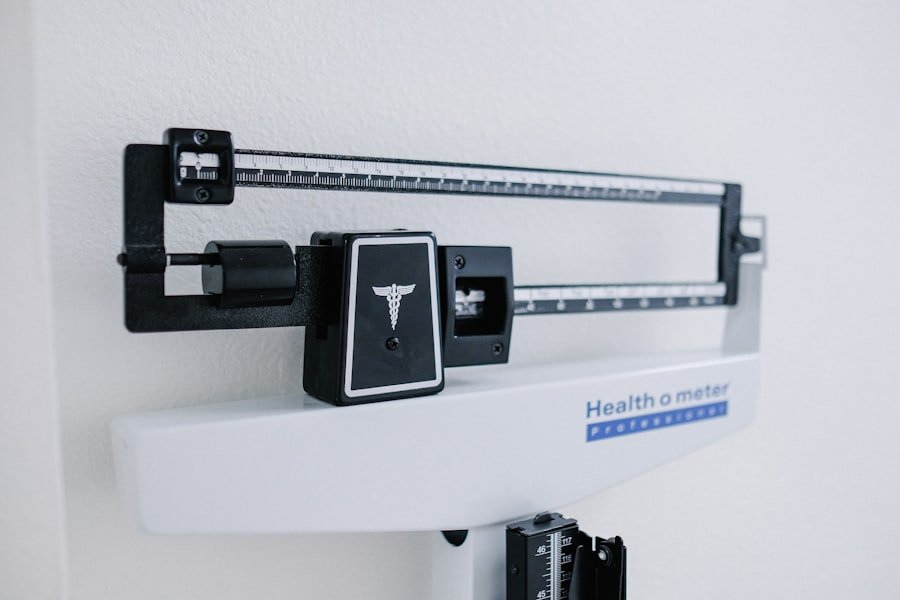
A healthy and balanced diet plan is fundamental to successful weight loss. This plan should include a variety of foods from all food groups to ensure that the body receives essential nutrients. Incorporating fruits, vegetables, whole grains, lean proteins, and healthy fats can help create a well-rounded diet that supports weight loss while promoting overall health.
It is important to focus on nutrient-dense foods rather than empty calories, which provide little nutritional value. Meal planning can be an effective strategy for maintaining a balanced diet. By preparing meals in advance, individuals can avoid impulsive eating and ensure they have healthy options readily available.
Additionally, being mindful of portion sizes can help prevent overeating. Learning to listen to hunger cues and eat mindfully can also contribute to healthier eating habits. Ultimately, a sustainable diet should not feel like a punishment; it should be enjoyable and satisfying while still aligning with weight loss goals.
Incorporating Regular Exercise into Your Routine
Regular exercise is another cornerstone of effective weight loss. Engaging in physical activity not only burns calories but also boosts metabolism and improves overall health. The key to incorporating exercise into one’s routine is finding activities that are enjoyable and sustainable.
Whether it’s dancing, swimming, hiking, or cycling, choosing activities that bring joy can make it easier to stick with an exercise regimen over time. Moreover, combining different types of exercise can yield the best results. A mix of cardiovascular workouts, strength training, and flexibility exercises can enhance fitness levels while promoting weight loss.
Cardiovascular exercises help burn calories quickly, while strength training builds muscle mass, which in turn increases resting metabolic rate. Flexibility exercises like yoga or stretching can improve overall mobility and reduce the risk of injury. By creating a balanced exercise routine that includes various forms of activity, individuals can enhance their weight loss efforts while enjoying the process.
Managing Stress and Sleep for Weight Loss
| Metric | Description | Typical Range | Notes |
|---|---|---|---|
| Body Weight | Total body mass measured in kilograms or pounds | Varies by individual | Primary indicator for weight loss progress |
| Body Fat Percentage | Percentage of total body weight that is fat | 10-30% (varies by age and gender) | Better indicator of fat loss than weight alone |
| Basal Metabolic Rate (BMR) | Calories burned at rest to maintain vital functions | 1200-2000 kcal/day | Helps determine daily calorie needs |
| Caloric Intake | Number of calories consumed daily | 1200-2500 kcal/day | Must be less than calories burned for weight loss |
| Caloric Expenditure | Total calories burned daily including activity | 1500-3000 kcal/day | Includes BMR plus physical activity |
| Weight Loss Rate | Amount of weight lost per week | 0.5-1 kg (1-2 lbs) | Recommended safe and sustainable rate |
| Waist Circumference | Measurement around the abdomen | Men: < 40 inches, Women: < 35 inches | Indicator of abdominal fat and health risk |
| Body Mass Index (BMI) | Weight-to-height ratio to classify weight status | 18.5-24.9 (normal weight) | Not always accurate for muscular individuals |
Stress management and adequate sleep are often overlooked aspects of weight loss but are crucial for success. High levels of stress can lead to emotional eating or cravings for unhealthy foods, making it difficult to adhere to a weight loss plan. Additionally, stress hormones like cortisol can promote fat storage in the body.
Therefore, finding effective ways to manage stress—such as through mindfulness practices, meditation, or engaging in hobbies—can significantly impact one’s ability to lose weight. Sleep also plays a vital role in weight management. Lack of sleep can disrupt hormonal balance, leading to increased hunger and cravings for high-calorie foods.
Prioritizing quality sleep by establishing a consistent sleep schedule and creating a relaxing bedtime routine can enhance overall well-being and support weight loss efforts.
Tracking Your Progress and Making Adjustments

Tracking progress is an essential component of any weight loss journey. Keeping a record of food intake, exercise routines, and changes in body measurements can provide valuable insights into what works and what doesn’t. Many individuals find that using apps or journals helps them stay accountable and motivated.
By regularly reviewing progress, individuals can identify patterns and make necessary adjustments to their diet or exercise plans. It is important to approach tracking with flexibility; if something isn’t working as expected, it may be time to reassess goals or strategies. For instance, if weight loss stalls despite consistent effort, it may be beneficial to evaluate caloric intake or increase physical activity levels.
Being open to change and willing to adapt one’s approach can lead to continued progress and prevent feelings of frustration or defeat.
Overcoming Plateaus and Staying Motivated
Plateaus are a common occurrence in the weight loss journey and can be disheartening for many individuals. After experiencing initial success, it is not unusual for progress to stall for weeks or even months. Understanding that plateaus are a normal part of the process can help individuals maintain perspective during these challenging times.
Instead of viewing a plateau as failure, it can be seen as an opportunity to reassess strategies and make necessary changes. Staying motivated during plateaus requires creativity and resilience. Setting new challenges or goals can reignite enthusiasm for the journey ahead.
This might involve trying new workouts, experimenting with different recipes, or joining a support group for encouragement. Additionally, focusing on non-scale victories—such as improved energy levels or enhanced fitness—can help maintain motivation even when the scale does not budge.
Seeking Professional Help and Support for Weight Loss
For many individuals, seeking professional help can be an invaluable resource on their weight loss journey. Registered dietitians or nutritionists can provide personalized dietary advice tailored to individual needs and preferences. They can help create meal plans that align with weight loss goals while ensuring nutritional adequacy.
Additionally, personal trainers can offer guidance on effective exercise routines and techniques that maximize results. Support from friends, family, or support groups can also play a significant role in maintaining motivation and accountability. Sharing experiences with others who are on similar journeys can foster a sense of community and encouragement.
Whether through online forums or local meet-ups, connecting with others can provide emotional support and practical tips for overcoming challenges along the way. In conclusion, embarking on a weight loss journey requires understanding the fundamentals of healthy living while setting realistic goals and creating sustainable habits. By focusing on balanced nutrition, regular exercise, stress management, and adequate sleep—along with tracking progress and seeking support—individuals can navigate their path toward achieving their desired weight in a healthy manner.
With patience and perseverance, lasting change is possible.
For those looking to enhance their weight loss journey, understanding the connection between mental health and wellness can be crucial. A related article that delves into this topic is Understanding Mental Health: A Guide for Wellness, which provides insights on how mental well-being can impact physical health and weight management. By addressing mental health, individuals may find it easier to adopt healthier habits and achieve their weight loss goals.