
Fat-burning workouts are designed to optimize the body’s ability to utilize fat as a primary energy source during physical activity. These workouts typically involve a combination of cardiovascular exercises, strength training, and high-intensity intervals that elevate the heart rate and stimulate metabolic processes. The fundamental principle behind fat-burning workouts is to create a caloric deficit, where the body expends more energy than it consumes, leading to the utilization of stored fat for fuel.
This approach not only aids in weight loss but also enhances overall fitness levels and promotes better health. To effectively engage in fat-burning workouts, individuals must first understand their own body composition and metabolic rate. Each person’s body responds differently to various types of exercise, and factors such as age, gender, and fitness level can influence how efficiently one burns fat.
By tailoring workouts to individual needs and preferences, individuals can maximize their fat-burning potential. This understanding lays the groundwork for creating a personalized workout regimen that aligns with specific fitness goals, whether it be weight loss, improved endurance, or enhanced muscle tone.
Key Takeaways
- Fat-burning workouts combine cardio, strength training, and HIIT to maximize fat loss.
- Cardio exercises are essential for increasing calorie burn and improving heart health.
- HIIT boosts metabolism and burns more fat in less time compared to steady-state workouts.
- Proper nutrition supports fat loss by fueling workouts and aiding recovery.
- Consistency and a balanced routine are key to achieving and maintaining fat-burning results.
The Importance of Cardio in Fat-Burning
Cardiovascular exercise plays a pivotal role in fat-burning workouts, serving as a cornerstone for those looking to shed excess weight. Activities such as running, cycling, swimming, and brisk walking elevate the heart rate and increase oxygen consumption, which in turn boosts calorie expenditure. Engaging in regular cardio sessions not only helps burn calories during the workout but also contributes to an increased metabolic rate post-exercise, a phenomenon known as excess post-exercise oxygen consumption (EPOC).
This means that the body continues to burn calories even after the workout has concluded, making cardio an essential component of any fat-burning strategy. Moreover, cardiovascular exercise offers additional health benefits beyond fat loss. It strengthens the heart and lungs, improves circulation, and enhances overall endurance.
Regular participation in cardio activities can also reduce the risk of chronic diseases such as heart disease, diabetes, and obesity. For those seeking to maximize their fat-burning potential, incorporating a variety of cardio exercises into their routine can prevent boredom and promote adherence to a consistent workout schedule.
Incorporating High-Intensity Interval Training (HIIT) for Maximum Fat Burn

High-Intensity Interval Training (HIIT) has gained immense popularity in recent years due to its efficiency and effectiveness in promoting fat loss. This training method alternates between short bursts of intense activity and periods of rest or lower-intensity exercise. The beauty of HIIT lies in its ability to push the body to its limits in a relatively short amount of time, making it an ideal choice for those with busy schedules.
Research has shown that HIIT can lead to significant reductions in body fat while preserving lean muscle mass, making it a powerful tool for anyone looking to improve their physique. In addition to its fat-burning benefits, HIIT workouts can be easily customized to suit individual fitness levels and preferences. Whether one prefers sprinting, cycling, or bodyweight exercises, HIIT can be adapted to include a wide range of activities.
This versatility not only keeps workouts fresh and engaging but also allows individuals to target specific muscle groups while maximizing calorie burn. Furthermore, the afterburn effect associated with HIIT means that participants continue to burn calories long after their workout has ended, further enhancing its appeal as a fat-loss strategy.
Strength Training and Fat Loss
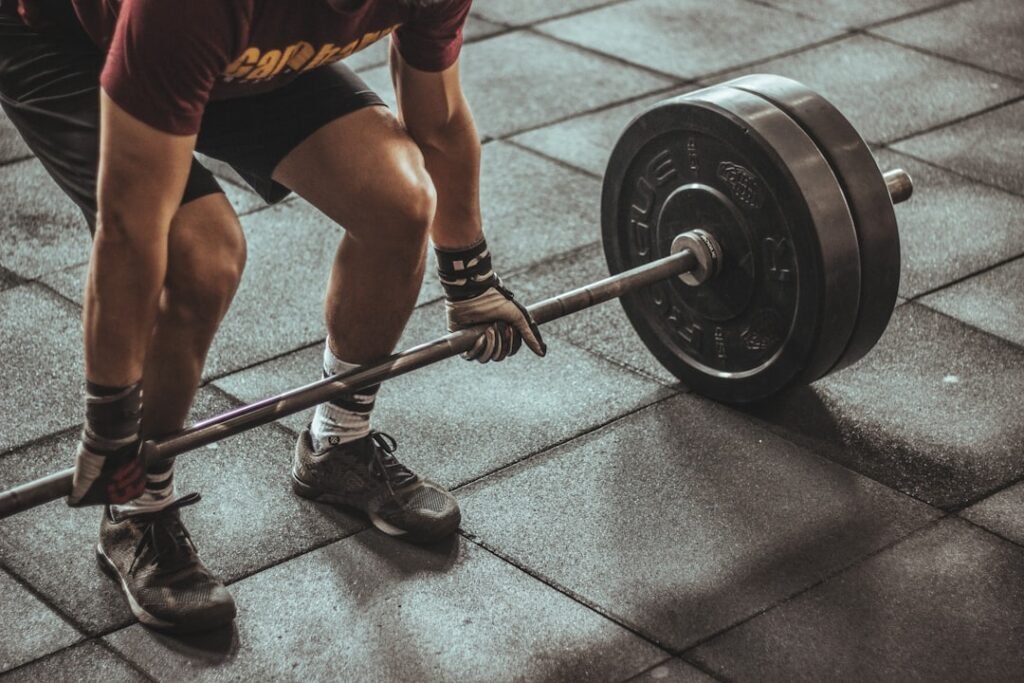
While cardiovascular exercise is crucial for burning calories, strength training plays an equally important role in fat loss. Engaging in resistance training helps build lean muscle mass, which is metabolically active tissue that burns more calories at rest compared to fat tissue. As individuals increase their muscle mass through strength training, they effectively raise their resting metabolic rate, leading to greater overall calorie expenditure throughout the day.
This makes strength training an essential component of any comprehensive fat-burning workout routine. Moreover, strength training can enhance body composition by promoting fat loss while preserving or even increasing muscle mass. This is particularly important for those looking to achieve a toned appearance rather than simply losing weight.
Incorporating compound movements such as squats, deadlifts, and bench presses into a strength training regimen can yield significant results by engaging multiple muscle groups simultaneously. Additionally, strength training can improve functional fitness, making everyday activities easier and reducing the risk of injury. By combining strength training with cardiovascular exercise, individuals can create a well-rounded approach to fat loss that addresses both calorie burning and muscle preservation.
The Role of Nutrition in Fat-Burning Workouts
| Workout Type | Duration (minutes) | Calories Burned | Muscle Groups Targeted | Intensity Level |
|---|---|---|---|---|
| Running | 30 | 300 | Legs, Core | High |
| Yoga | 45 | 180 | Full Body | Low |
| Weight Lifting | 60 | 400 | Arms, Back, Chest | Medium |
| HIIT | 20 | 350 | Full Body | Very High |
| Cycling | 40 | 320 | Legs, Core | Medium |
Nutrition is a critical factor that cannot be overlooked when it comes to fat-burning workouts. The food choices individuals make directly impact their energy levels, recovery times, and overall performance during exercise. A well-balanced diet rich in whole foods—such as fruits, vegetables, lean proteins, whole grains, and healthy fats—provides the necessary nutrients to fuel workouts and support recovery.
Additionally, proper hydration is essential for optimal performance; even mild dehydration can impair physical performance and hinder fat-burning efforts. To maximize fat loss through nutrition, individuals should focus on creating a caloric deficit while ensuring they consume adequate protein to support muscle maintenance. Tracking macronutrient intake can help individuals understand their eating habits and make informed choices that align with their fitness goals.
Furthermore, timing meals around workouts can enhance performance and recovery; consuming carbohydrates before exercise can provide energy for intense workouts, while post-workout protein intake aids in muscle repair. By prioritizing nutrition alongside exercise, individuals can significantly enhance their fat-burning potential.
Creating a Balanced Fat-Burning Workout Routine

Developing a balanced fat-burning workout routine involves integrating various forms of exercise to ensure comprehensive fitness benefits. A well-rounded program typically includes cardiovascular training, strength training, flexibility work, and recovery sessions. By incorporating different modalities into a weekly schedule, individuals can prevent plateaus and maintain motivation over time.
Additionally, it is essential to consider individual preferences and lifestyle factors when designing a workout routine. Some may thrive on group classes or outdoor activities, while others may prefer solo workouts at home or in the gym.
By aligning workout choices with personal interests and goals, individuals are more likely to adhere to their routines long-term. Furthermore, incorporating rest days into the schedule allows for recovery and reduces the risk of overtraining or injury. A balanced approach not only promotes effective fat loss but also fosters a sustainable fitness journey.
Tips for Maximizing Fat Burn During Workouts
To enhance fat-burning potential during workouts, individuals can implement several strategies that optimize performance and efficiency. One effective method is to incorporate interval training into cardio sessions; alternating between high-intensity bursts and moderate efforts can significantly increase calorie expenditure compared to steady-state cardio alone. Additionally, maintaining proper form during strength exercises ensures that muscles are effectively engaged, maximizing the benefits of each movement.
Another tip for maximizing fat burn is to focus on compound exercises that work multiple muscle groups simultaneously. Movements such as squats, lunges, push-ups, and rows not only build strength but also elevate heart rates more than isolation exercises do. Furthermore, incorporating circuit training—where participants move quickly from one exercise to another with minimal rest—can keep the heart rate elevated throughout the session.
Lastly, setting specific goals for each workout can provide motivation and direction; whether aiming for a certain number of repetitions or striving for a personal best in distance or time, having clear objectives can enhance focus and drive during workouts.
The Benefits of Consistency in Fat-Burning Workouts
Consistency is perhaps the most crucial element in achieving long-term success with fat-burning workouts. Establishing a regular exercise routine fosters discipline and creates lasting habits that contribute to overall health and fitness goals. Individuals who commit to consistent workouts are more likely to see progress over time; gradual improvements in strength, endurance, and body composition reinforce motivation and encourage continued effort.
Moreover, consistency allows individuals to adapt to their workout routines gradually. As fitness levels improve, participants can increase intensity or modify exercises to continue challenging themselves effectively. This progressive approach not only prevents boredom but also reduces the risk of injury associated with sudden increases in activity levels.
Ultimately, embracing consistency in fat-burning workouts cultivates a positive relationship with fitness—one that prioritizes health and well-being over quick fixes or temporary results. By committing to regular exercise and making it an integral part of daily life, individuals set themselves up for sustainable success on their fitness journeys.
If you’re looking to enhance your workout routine, you might find it beneficial to explore some simple lifestyle changes that can boost your overall health. For more insights, check out this article on simple tips for a healthier lifestyle. Implementing these tips can complement your fitness efforts and lead to better results.