

Understanding one’s hair type is the cornerstone of effective hair care. Hair can be categorized into several types based on its texture, porosity, and density. The primary classifications include straight, wavy, curly, and coily.
Each type has its unique characteristics and requires different care methods. For instance, straight hair tends to be oily and can appear sleek but may lack volume. Wavy hair, on the other hand, often has a natural bounce but can be prone to frizz.
Curly hair is known for its defined spirals, which can be both beautiful and challenging to manage, while coily hair is tightly curled and often requires extra moisture to maintain its health. In addition to texture, porosity plays a significant role in determining how hair absorbs and retains moisture. Low-porosity hair repels moisture and can be resistant to chemical treatments, while high-porosity hair absorbs moisture quickly but may struggle to retain it.
Understanding these nuances allows individuals to tailor their hair care routines effectively. By identifying their specific hair type, individuals can make informed decisions about the products they use and the techniques they employ, ultimately leading to healthier and more manageable hair.
Key Takeaways
- Identifying your hair type is essential for choosing the right care methods and products.
- A balanced diet rich in vitamins and minerals supports strong, healthy hair growth.
- Using hair care products tailored to your specific hair type enhances hair health and appearance.
- Preventing hair damage involves gentle handling, minimizing heat exposure, and protecting from environmental stressors.
- Regular trims and treatments help maintain hair health by removing split ends and nourishing strands.
The Importance of a Balanced Diet for Healthy Hair
A balanced diet is crucial for maintaining healthy hair, as it provides the essential nutrients that promote growth and strength. Hair is primarily made up of a protein called keratin, which means that adequate protein intake is vital for hair health. Foods rich in protein, such as lean meats, fish, eggs, and legumes, contribute to the production of keratin and help prevent hair breakage.
Additionally, vitamins and minerals play a significant role in hair health; for example, vitamins A, C, D, and E are essential for maintaining a healthy scalp and promoting hair growth. Moreover, omega-3 fatty acids found in fish, nuts, and seeds are known to nourish the hair follicles and keep the scalp hydrated. Iron and zinc are also critical components of a healthy diet, as they help transport oxygen to the hair follicles and support overall hair growth.
A deficiency in these nutrients can lead to thinning hair or even hair loss. Therefore, incorporating a variety of nutrient-dense foods into one’s diet is not just beneficial for overall health but is also a fundamental aspect of achieving vibrant and resilient hair.
The Best Hair Care Products for Your Hair Type
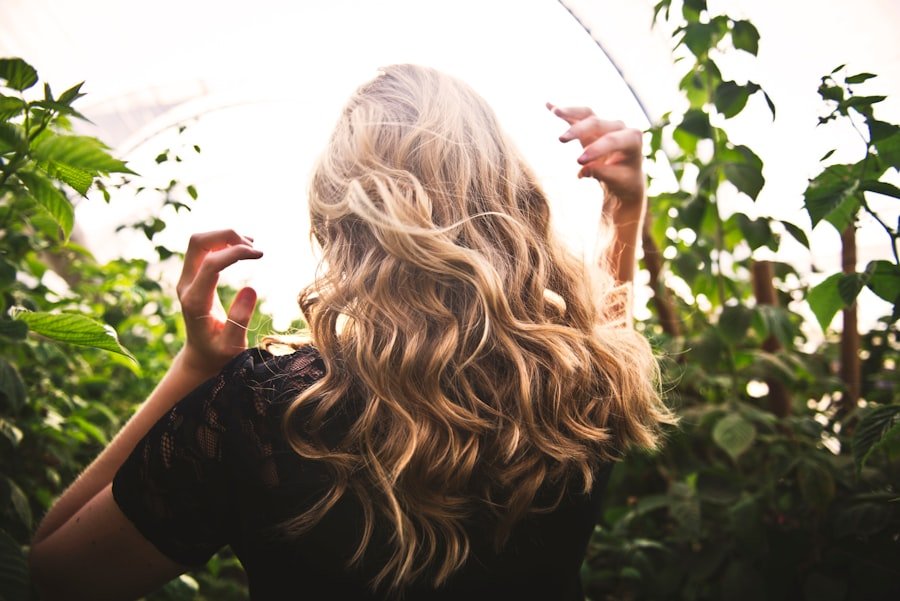
Choosing the right hair care products is essential for maintaining the health and appearance of one’s hair. For straight hair types, lightweight shampoos and conditioners that do not weigh the hair down are ideal. Products containing silicones can help add shine without making the hair greasy.
Wavy hair benefits from products that enhance texture and reduce frizz; curl creams or mousses can provide definition while maintaining volume. Curly and coily hair types require more moisture-rich products to combat dryness. Creamy shampoos and deep conditioners with ingredients like shea butter or coconut oil can help hydrate and define curls.
Additionally, leave-in conditioners and oils can provide extra nourishment and protection against environmental damage. It is also important to consider the ingredients in these products; avoiding sulfates and parabens can help maintain the natural oils in the hair and prevent irritation.
Tips for Preventing Hair Damage
Preventing hair damage is crucial for maintaining healthy locks. One of the most effective ways to protect hair is by minimizing heat exposure. Frequent use of heat styling tools such as blow dryers, curling irons, and straighteners can lead to dryness and breakage.
When heat styling is necessary, using a heat protectant spray can create a barrier against damage. Additionally, opting for lower heat settings and allowing hair to air dry whenever possible can significantly reduce the risk of heat-related damage. Another important aspect of preventing damage is being gentle during brushing or styling.
Using a wide-tooth comb on wet hair can help prevent breakage, as wet strands are more susceptible to damage. It is also advisable to avoid tight hairstyles that pull on the roots, as this can lead to traction alopecia over time. Regularly switching up hairstyles can give the hair a break from constant tension.
By adopting these practices, individuals can significantly reduce the likelihood of experiencing damaged or unhealthy hair.
The Benefits of Regular Trims and Hair Treatments
| Hair Care Metric | Description | Recommended Value/Range | Measurement Frequency |
|---|---|---|---|
| Hair Moisture Level | Amount of water content in hair strands | 15% – 20% | Weekly |
| Hair pH Level | Acidity or alkalinity of hair and scalp | 4.5 – 5.5 | Monthly |
| Hair Strength | Resistance of hair to breakage | High tensile strength preferred | Monthly |
| Scalp Oiliness | Amount of natural oil produced by scalp | Balanced (not too oily or dry) | Weekly |
| Hair Shedding Rate | Number of hairs lost per day | 50 – 100 hairs/day | Daily |
| Hair Porosity | Hair’s ability to absorb and retain moisture | Low to medium porosity preferred | Quarterly |
| Split Ends Count | Number of split ends per inch of hair | Minimal to none | Monthly |
Regular trims are often touted as a key component of a healthy hair care routine. While it may seem counterintuitive to cut hair when trying to grow it out, trimming the ends every six to eight weeks helps eliminate split ends and breakage. This practice not only promotes healthier growth but also enhances the overall appearance of the hair by making it look fuller and more vibrant.
Additionally, regular trims can help maintain a desired shape or style, ensuring that the hair remains manageable. Incorporating deep conditioning treatments into one’s routine can also yield significant benefits. These treatments provide intense hydration and nourishment that regular conditioners may not offer.
By combining regular trims with targeted treatments, individuals can maintain their hair’s health while promoting growth and vitality.
How to Properly Wash and Condition Your Hair
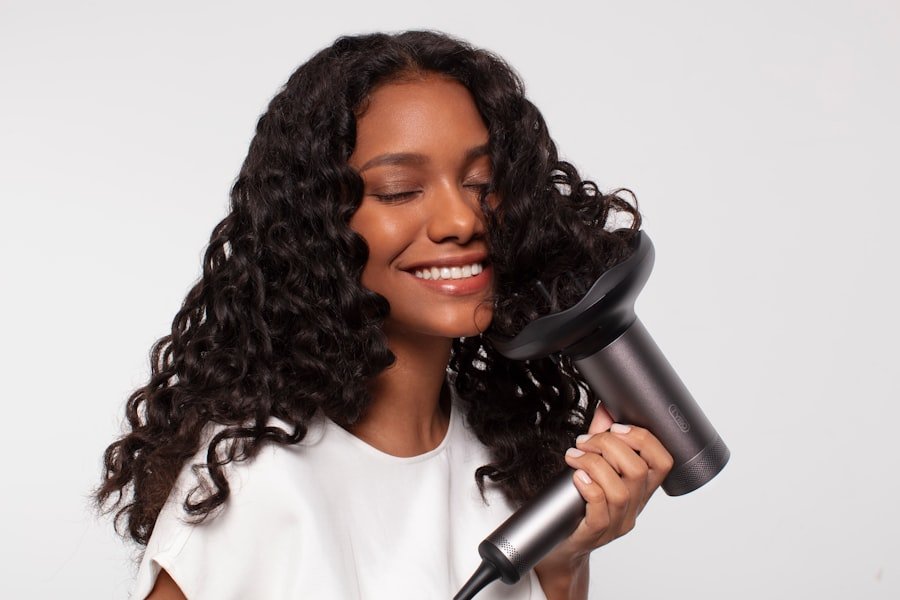
Washing and conditioning hair properly is essential for maintaining its health and cleanliness. The frequency of washing depends on individual factors such as hair type, lifestyle, and scalp condition. For those with oily scalps or fine hair, washing every day or every other day may be necessary to prevent buildup.
Conversely, individuals with dry or curly hair may benefit from washing less frequently to preserve natural oils. When washing hair, it is important to use lukewarm water rather than hot water, as hot water can strip the scalp of its natural oils. Applying shampoo directly to the scalp rather than the ends helps ensure that dirt and oil are effectively removed without over-drying the lengths of the hair.
After rinsing out the shampoo, applying conditioner primarily to the mid-lengths and ends allows for optimal hydration without weighing down the roots. Leaving conditioner in for a few minutes before rinsing can enhance its effectiveness, resulting in softer and more manageable hair.
Natural Remedies for Healthy Hair
Natural remedies have gained popularity as effective alternatives for promoting healthy hair without harsh chemicals. Ingredients such as coconut oil have long been celebrated for their moisturizing properties; applying it as a pre-wash treatment can help reduce protein loss in the hair. Similarly, aloe vera gel is known for its soothing properties and can be used as a leave-in conditioner or scalp treatment to promote hydration.
Another popular natural remedy is apple cider vinegar (ACV), which can be used as a rinse after shampooing to restore pH balance and enhance shine. The acidity of ACV helps smooth the cuticle layer of the hair, resulting in less frizz and more luster. Additionally, herbal infusions made from ingredients like rosemary or chamomile can promote scalp health and stimulate growth when massaged into the scalp regularly.
By exploring these natural options, individuals can find effective ways to nurture their hair while avoiding synthetic ingredients.
Creating a Hair Care Routine that Works for You
Creating a personalized hair care routine is essential for achieving optimal results tailored to individual needs. The first step in this process involves assessing one’s specific hair type and concerns—whether it be dryness, frizz, or lack of volume—and selecting products that address these issues directly. Establishing a consistent washing schedule based on one’s lifestyle will also contribute significantly to maintaining healthy locks.
In addition to product selection and washing frequency, incorporating treatments such as masks or oils into the routine can provide extra nourishment when needed.
Ultimately, a well-rounded routine that combines proper washing techniques with targeted treatments will lead to healthier, more vibrant hair that reflects individual style and personality.
In conclusion, understanding one’s unique hair type is fundamental in establishing an effective care regimen that promotes health and vitality. By prioritizing nutrition, selecting appropriate products, preventing damage through gentle practices, and incorporating regular trims along with natural remedies, individuals can cultivate beautiful hair that enhances their overall appearance. Creating a personalized routine ensures that each person’s specific needs are met while allowing them to enjoy their unique locks fully.
For those looking to enhance their hair care routine, it’s essential to consider overall health and wellness. A great resource for this is the article on boosting your health with simple tips for a healthier lifestyle, which can be found here. By adopting healthier habits, you can improve not only your hair but your overall well-being.