

Nutrition serves as the cornerstone of overall health, influencing not only physical well-being but also mental and emotional states. It encompasses the intake of food and how the body utilizes these nutrients to maintain vital functions. The relationship between nutrition and health is intricate, as the body requires a variety of nutrients to operate optimally.
These nutrients include carbohydrates, proteins, fats, vitamins, and minerals, each playing a unique role in sustaining life. A balanced diet rich in these essential components can lead to improved energy levels, enhanced mood, and a lower risk of chronic diseases. In recent years, there has been a growing awareness of the importance of nutrition in everyday life.
Individuals are increasingly recognizing that what they consume directly impacts their health outcomes. This shift in perspective has led to a surge in interest regarding dietary choices and their long-term effects on well-being. As people become more informed about the benefits of proper nutrition, they are more likely to make conscious decisions that promote a healthier lifestyle.
This article will explore various aspects of nutrition and its profound influence on health, emphasizing the need for a holistic approach to dietary habits.
Key Takeaways
- Proper nutrition is essential for maintaining overall health and preventing chronic diseases.
- Nutrient-dense foods play a critical role in supporting mental and physical well-being.
- Good nutrition strengthens the immune system, enhancing the body’s ability to fight infections.
- Following established nutritional guidelines helps achieve optimal health outcomes.
- Prioritizing balanced nutrition is key to leading a healthy and active life.
The Role of Nutrition in Disease Prevention
Nutrition plays a pivotal role in disease prevention, acting as a protective barrier against various health conditions. A well-balanced diet can significantly reduce the risk of chronic diseases such as heart disease, diabetes, and certain types of cancer. For instance, diets rich in fruits, vegetables, whole grains, and lean proteins provide essential nutrients that help maintain optimal bodily functions and prevent the onset of illness.
Antioxidants found in many plant-based foods combat oxidative stress, which is linked to numerous diseases, while fiber aids in digestion and helps regulate blood sugar levels. Moreover, the impact of nutrition on disease prevention extends beyond individual choices; it also encompasses broader public health initiatives. Communities that promote access to healthy foods and nutritional education often see lower rates of diet-related illnesses.
This underscores the importance of understanding nutrition not just as a personal responsibility but as a societal imperative that can lead to healthier populations.
The Impact of Nutrition on Mental Health

The connection between nutrition and mental health is an area of growing interest among researchers and healthcare professionals alike. Emerging studies suggest that dietary patterns can significantly influence mood and cognitive function. Nutrient-rich foods contribute to the production of neurotransmitters, which are essential for regulating emotions and mental clarity.
For example, omega-3 fatty acids found in fish have been linked to reduced symptoms of depression and anxiety, while deficiencies in certain vitamins and minerals can exacerbate mental health issues. Furthermore, the gut-brain axis highlights the intricate relationship between diet and mental well-being. The gut microbiome, which is influenced by dietary choices, plays a crucial role in mental health by producing neurotransmitters and other compounds that affect brain function.
A diet high in processed foods and sugars can disrupt this balance, leading to negative effects on mood and cognitive performance. Conversely, a diet rich in whole foods can promote a healthy gut microbiome, thereby supporting mental health. This emphasizes the need for individuals to consider not only their physical health but also their mental well-being when making dietary choices.
The Importance of Nutrient-Dense Foods
Nutrient-dense foods are those that provide a high amount of essential nutrients relative to their calorie content. These foods are vital for maintaining overall health and preventing nutrient deficiencies. Incorporating nutrient-dense options into one’s diet can lead to improved energy levels, better weight management, and enhanced overall well-being.
Examples of nutrient-dense foods include leafy greens, berries, nuts, seeds, and lean proteins. These foods offer a wealth of vitamins, minerals, and antioxidants that support various bodily functions. In contrast, foods that are high in calories but low in nutrients—often referred to as “empty calories”—can lead to weight gain and various health issues without providing the necessary nourishment.
Relying on such foods can result in deficiencies that compromise health over time. Therefore, prioritizing nutrient-dense foods is essential for anyone looking to improve their diet and overall health. By making conscious choices to include these foods in daily meals, individuals can ensure they are fueling their bodies with what they need for optimal functioning.
How Nutrition Affects Physical Well-being
| Nutrient | Daily Recommended Intake | Primary Sources | Function in Body |
|---|---|---|---|
| Protein | 46-56 grams | Meat, beans, dairy, nuts | Builds and repairs tissues |
| Carbohydrates | 130 grams | Grains, fruits, vegetables | Primary energy source |
| Fat | 44-77 grams | Oils, nuts, seeds, fish | Energy storage and cell function |
| Vitamin C | 75-90 mg | Citrus fruits, peppers, broccoli | Antioxidant, immune support |
| Calcium | 1000 mg | Dairy, leafy greens, fortified foods | Bone and teeth health |
| Iron | 8-18 mg | Red meat, beans, spinach | Oxygen transport in blood |
| Fiber | 25-30 grams | Whole grains, fruits, vegetables | Digestive health |
The impact of nutrition on physical well-being cannot be overstated. A balanced diet provides the energy required for daily activities and supports bodily functions such as metabolism, muscle repair, and immune response. Proper nutrition is particularly crucial for individuals engaged in regular physical activity or those with specific health goals.
For instance, athletes often require tailored nutritional plans to enhance performance and recovery. Consuming adequate amounts of carbohydrates fuels workouts, while proteins are essential for muscle repair post-exercise. Additionally, nutrition plays a significant role in maintaining a healthy weight.
A well-rounded diet that includes a variety of food groups helps regulate appetite and promotes satiety. When individuals consume balanced meals rich in fiber and protein, they are less likely to experience cravings for unhealthy snacks or overeating. This balance is key not only for weight management but also for overall physical health.
By understanding how nutrition affects their bodies, individuals can make informed choices that support their physical well-being.
The Connection Between Nutrition and Immune Function
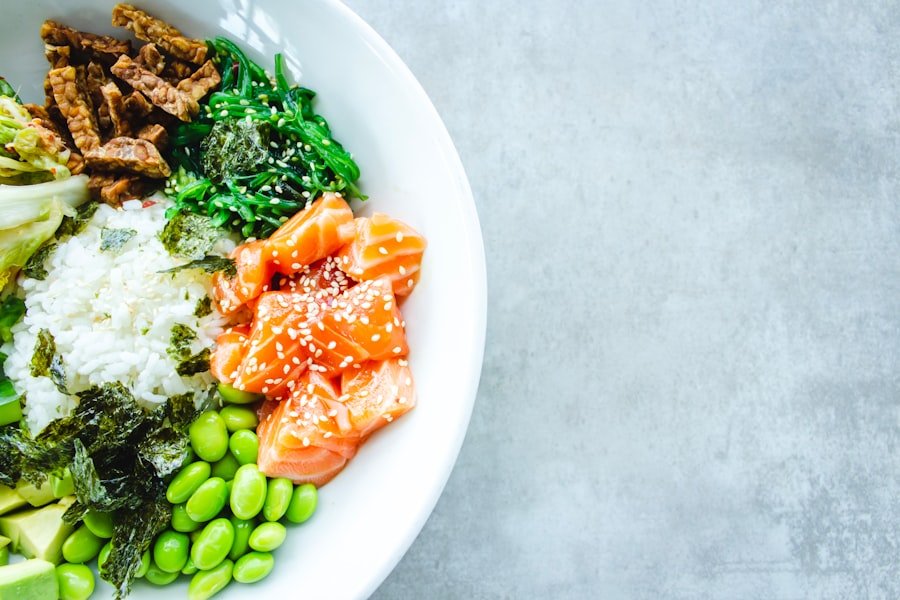
Nutrition is intricately linked to immune function, with certain nutrients playing critical roles in enhancing the body’s defense mechanisms against infections and diseases. Vitamins such as A, C, D, and E, along with minerals like zinc and selenium, are essential for maintaining a robust immune system. These nutrients contribute to various immune responses, including the production of antibodies and the activation of immune cells that help fight off pathogens.
A diet lacking in these vital nutrients can lead to weakened immunity, making individuals more susceptible to illnesses. For example, vitamin C is known for its role in supporting immune function by promoting the production of white blood cells that combat infections. Similarly, vitamin D has been shown to modulate immune responses and reduce inflammation.
Therefore, ensuring adequate intake of these nutrients through a balanced diet is crucial for maintaining optimal immune health. By prioritizing nutrition as a means of bolstering immunity, individuals can better protect themselves against illness.
Nutritional Guidelines for Optimal Health
To achieve optimal health through nutrition, it is essential to follow established dietary guidelines that promote balanced eating habits. The Dietary Guidelines for Americans recommend a variety of food groups to ensure adequate nutrient intake while minimizing the risk of chronic diseases. These guidelines emphasize the importance of consuming fruits and vegetables daily, choosing whole grains over refined grains, and incorporating lean proteins into meals.
Additionally, moderation is key when it comes to added sugars and saturated fats. Individuals are encouraged to limit their intake of processed foods high in these components while focusing on whole food options that provide essential nutrients without excess calories. Hydration also plays a vital role in overall health; drinking sufficient water supports bodily functions and aids digestion.
By adhering to these nutritional guidelines, individuals can create a sustainable eating pattern that promotes long-term health benefits.
Prioritizing Nutrition for a Healthy Life
In conclusion, prioritizing nutrition is fundamental for achieving a healthy life. The profound impact of dietary choices on physical health, mental well-being, disease prevention, immune function, and overall quality of life cannot be overlooked. As individuals become more aware of the importance of nutrition, they are empowered to make informed decisions that enhance their well-being.
By embracing nutrient-dense foods and following established dietary guidelines, individuals can cultivate habits that support long-term health goals. The journey towards optimal nutrition is not merely about restriction or dieting; it is about fostering a positive relationship with food that nourishes both body and mind. Ultimately, making nutrition a priority can lead to a healthier life filled with vitality and resilience against the challenges posed by modern living.
For those interested in exploring more about the impact of nutrition on overall health, you might find this article insightful: com/hello-world/’>Hello World.
It delves into various aspects of dietary choices and their effects on well-being, providing valuable information for anyone looking to improve their nutritional habits.